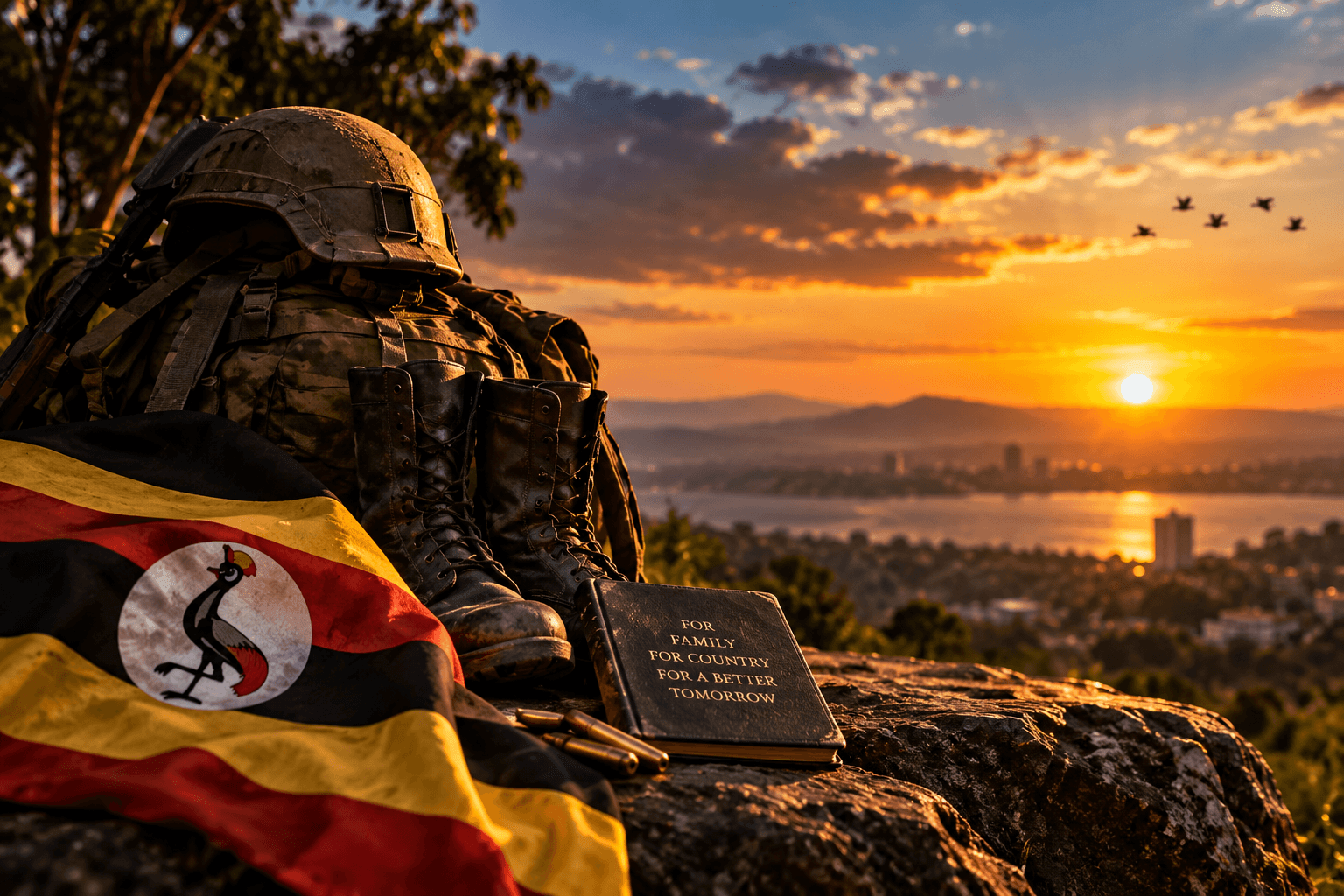
SOLDIER’S WILL
In Soldier’s Will, Jude Cipher imagines the final wishes of a soldier reflecting on war, family, sacrifice, love and freedom before leaving one final goodbye.

In Soldier’s Will, Jude Cipher imagines the final wishes of a soldier reflecting on war, family, sacrifice, love and freedom before leaving one final goodbye.

By Jude Cipher In Rain Whisperer, a poem by Jude Cipher, rain becomes more than a force of nature. Moving through darkness, sorrow and heartbreak, the poem eventually finds calm,…

In Born a Premature 52 Years Ago!, Johnson Grace Maganja looks back at his premature birth, his mother's faith, his childhood healing and the story behind his names, before dedicating the poem to his late parents.

In 1997, Philip Matogo and his friend Ronald thought Premier Lottery was their ticket from broke Kampala boys to instant riches. One hundred scratch cards later, their dream collapsed—until the five tickets they gave away produced an unbelievable twist.
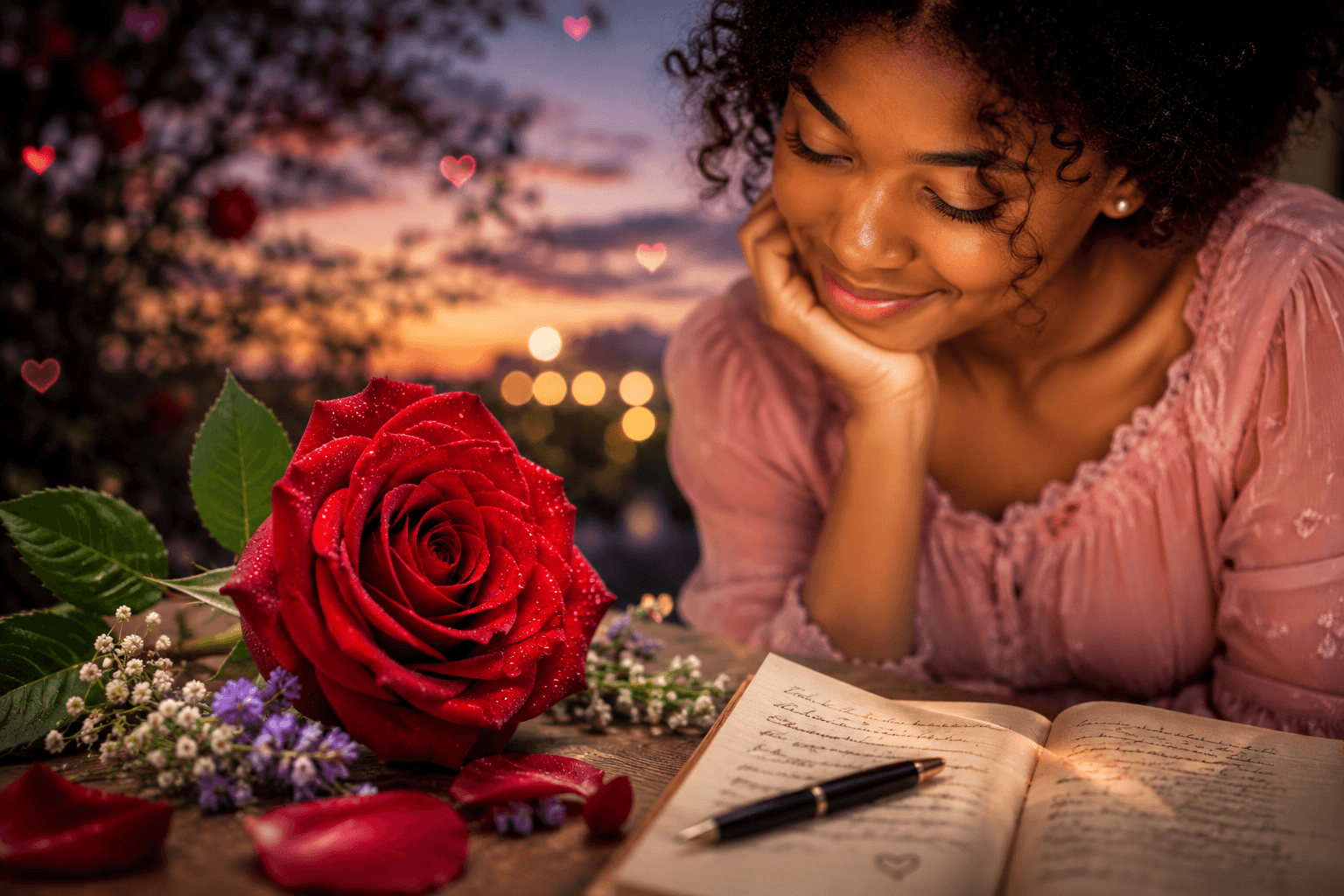
In Pretty Little Rose, Godwin the Poet transforms the familiar “roses are red, violets are blue” verse into a romantic love poem about beauty, companionship and a connection felt beyond the eyes.
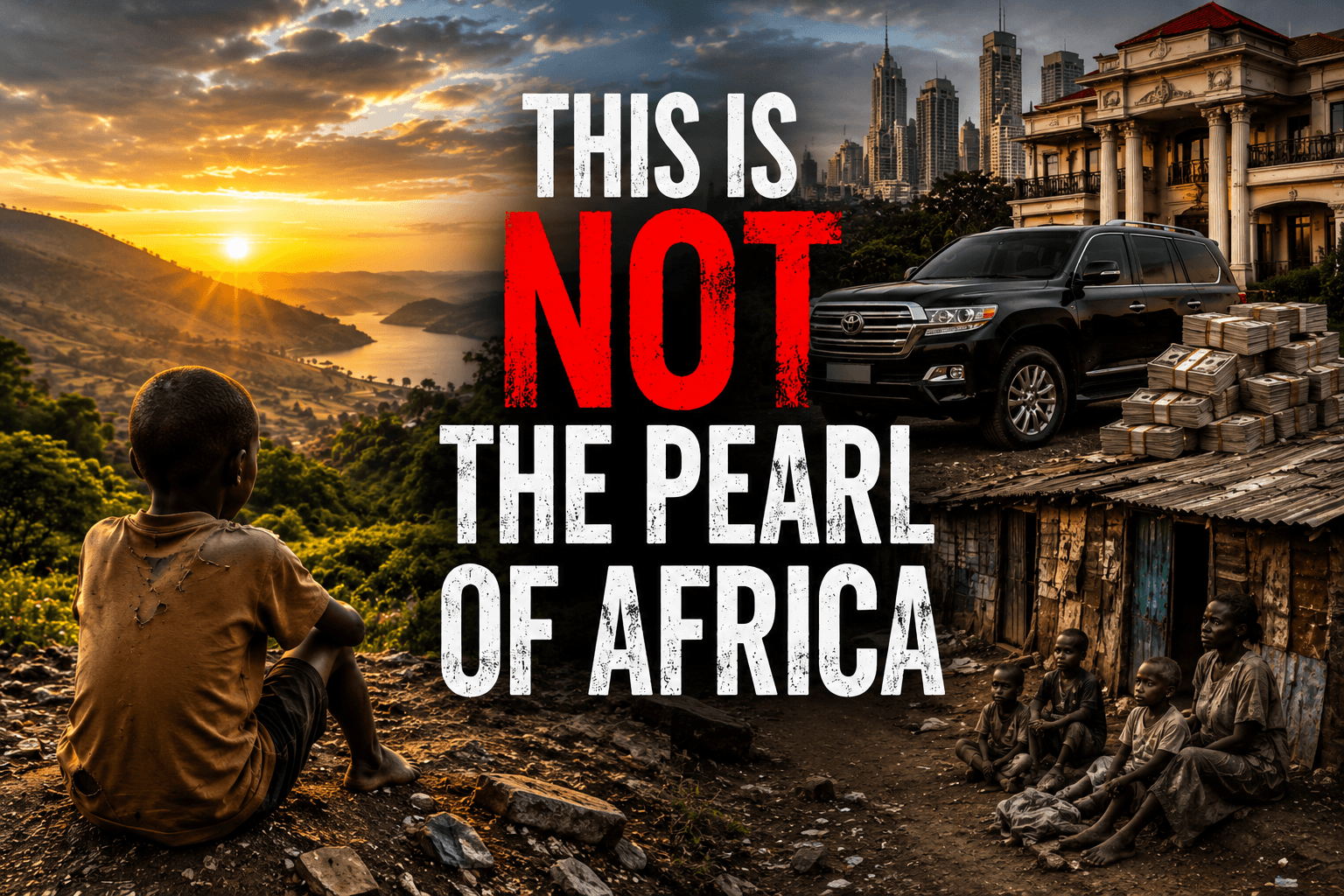
In this Pearl of Africa poem, a young Ugandan writer looks beyond the country’s green hills and natural beauty to reflect on inequality, hunger, greed and humanity. What truly makes a nation precious?

A short man drives from Kampala to Entebbe twice a day for a woman who seemingly prefers taller men. More than ten years later, Elly Odoki delivers the twist. We unpack the setup, misdirection, punchline and final tag behind the joke.
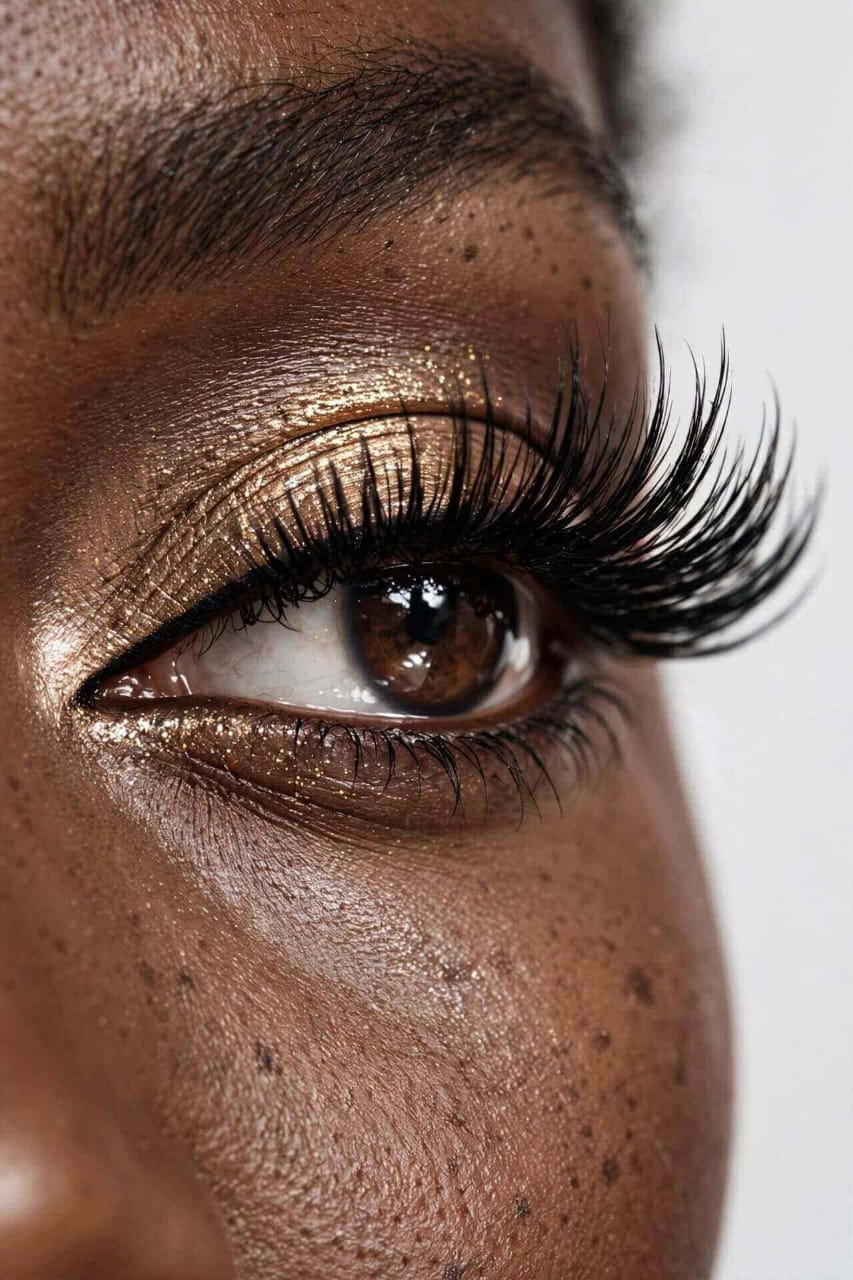
What begins as Geoffrey Asimwe’s bewilderment over false eyelashes becomes a humorous self-examination of beauty, judgement and identity. When does enhancement remain an accessory—and when does it begin to define us?
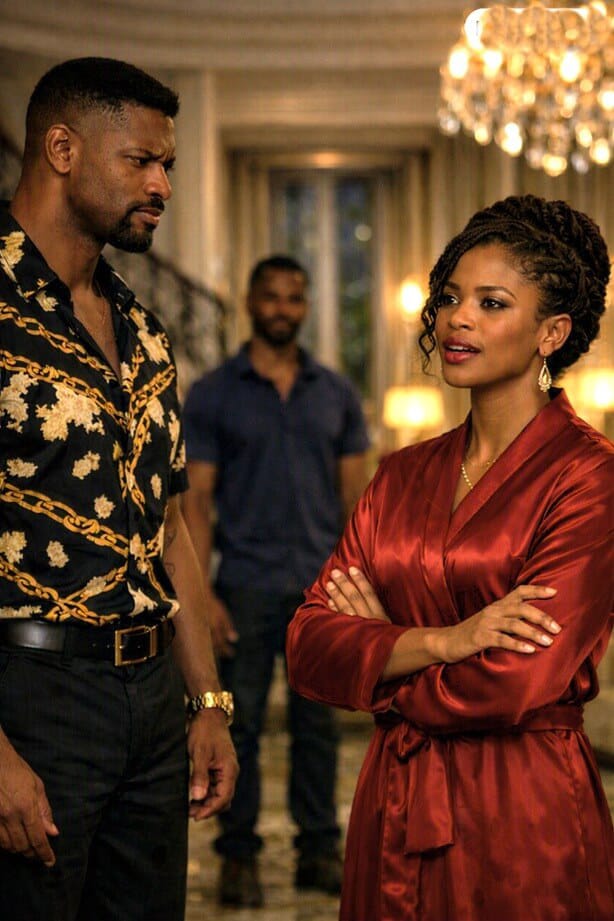
Daniel and Koru finally come face-to-face, with Amara caught between love, family expectations and privilege. But when a mysterious black car enters the equation, their forbidden romance takes a darker turn.
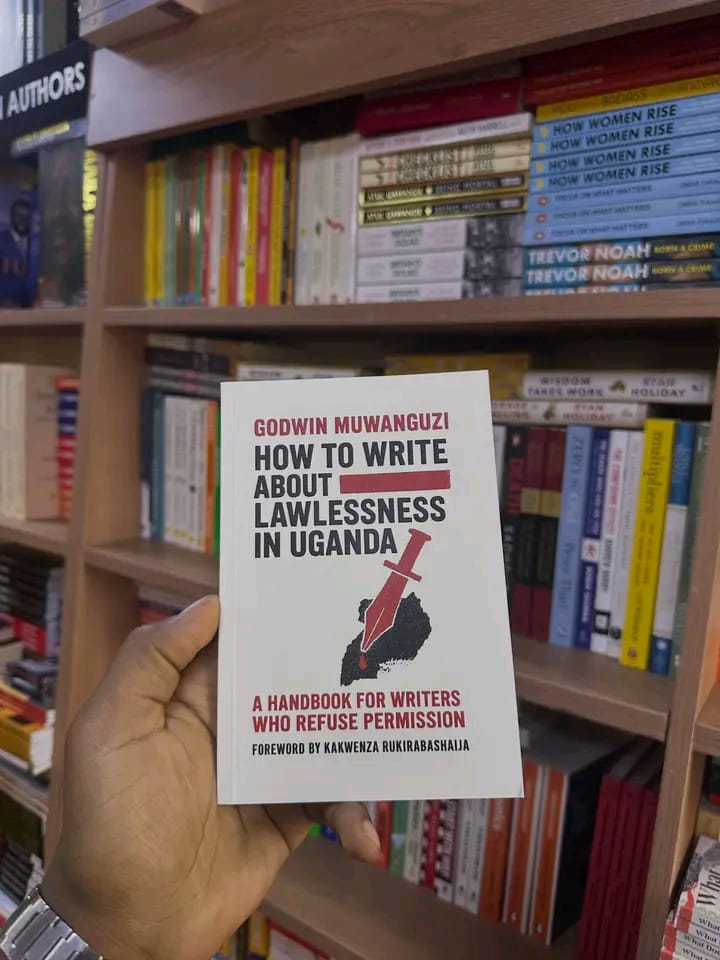
What is the writer’s responsibility in an age of fear, silence and political discomfort? Philip Matogo reviews Godwin Muwanguzi’s provocative 2026 handbook, which places Ugandan protest literature within a longer tradition of writers using language to confront power.