HE SPEAKS
In The Good Shepherd, Lorna Bees reflects on faith, divine guidance and provision, reminding readers that even through difficult seasons, those who seek God can continue to hope.

In The Good Shepherd, Lorna Bees reflects on faith, divine guidance and provision, reminding readers that even through difficult seasons, those who seek God can continue to hope.

In Yahweh, Lorna Bees writes about darkness, worship, Scripture and faith, returning to the assurance that no depth is beyond the reach of God.
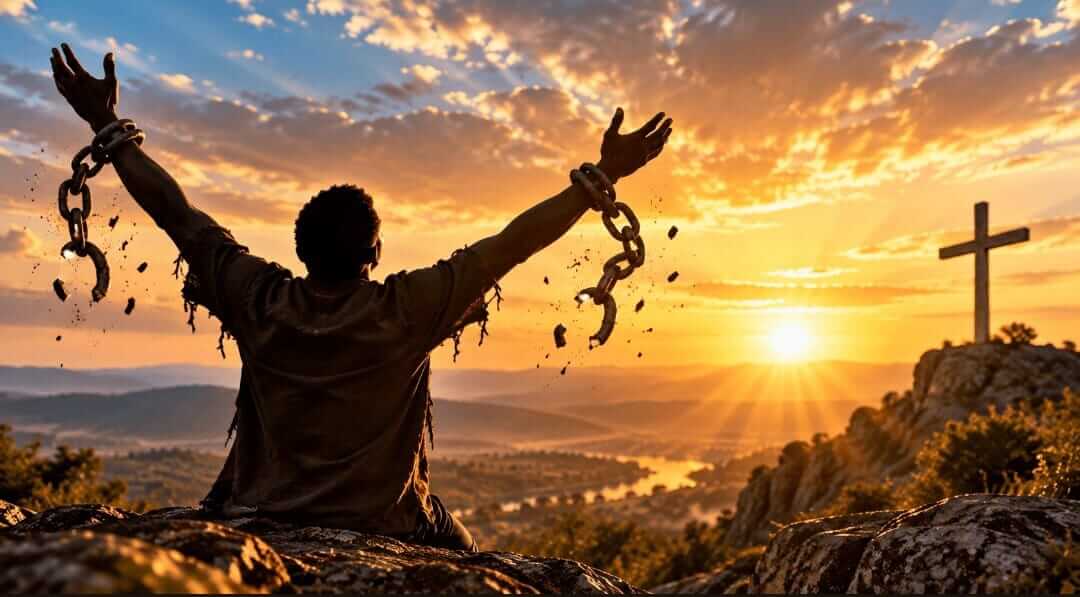
In Shackles of Captivity, Lorna Bees draws on biblical imagery to explore deliverance, restoration, faith, abundance and the hope of freedom after captivity.
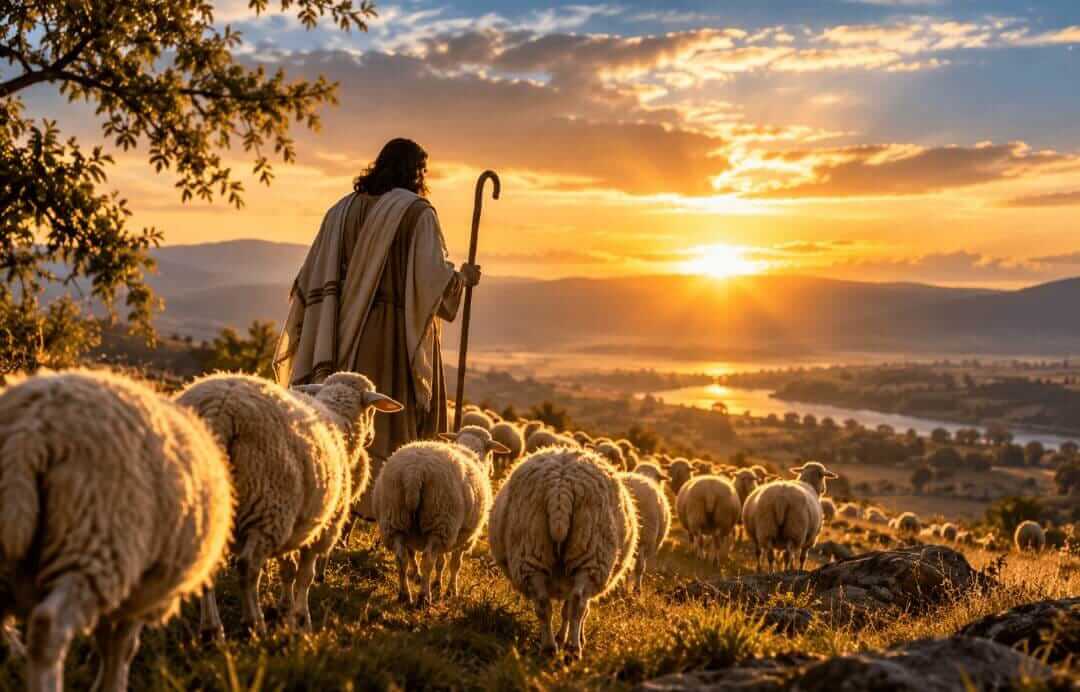
In The Good Shepherd, Lorna Bees reflects on faith, divine guidance and provision, reminding readers that even through difficult seasons, those who seek God can continue to hope.

MK Kuol imagines an AI takeover without physical violence, asking what might happen if humanity gradually surrendered its work, thinking and independence to machines.

In Rescue, MK Kuol transforms the simple act of saving a drowning fly into a reflection on mercy, survival and how acts of kindness may appear to those who receive them.

MK Kuol uses the shedding of leaves during the dry season to ask whether some painful losses might be forms of protection whose purpose we understand only later.

In Should I Abreact?, Kenganzi Anitah Maverick explores emotional exhaustion, unreturned affection and the struggle to stop chasing acceptance and choose peace.

Felex Niwagaba examines bride price, sex, financial responsibility and transactional relationships as he asks a provocative question: is there what he calls “neo-prostitution” within modern marriage?

In When I Am Asked Why I Am Not Married, Felex Niwagaba examines money, sex, marriage and changing relationship expectations through a provocative concept he calls “neo-prostitution.”