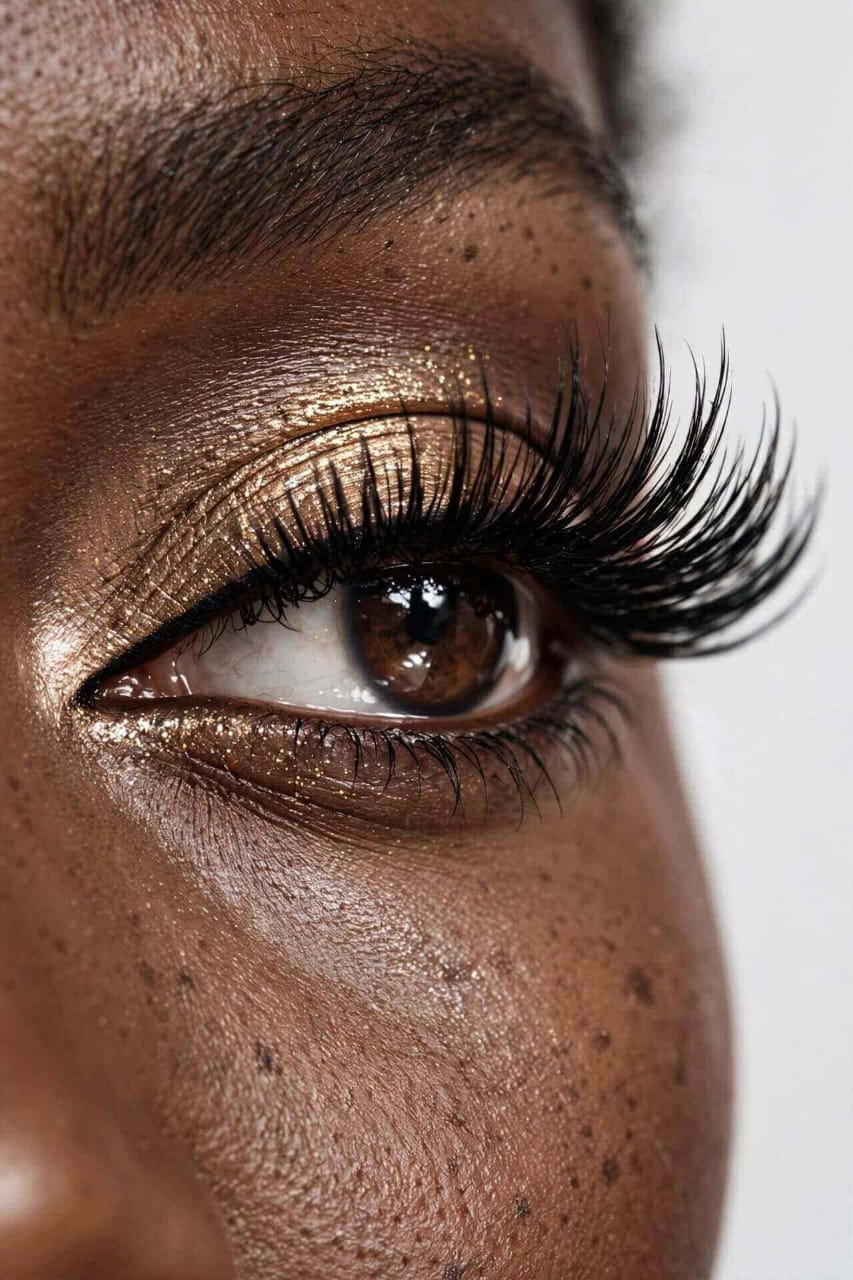
Confessions of an Eyelash Novice
What begins as Geoffrey Asimwe’s bewilderment over false eyelashes becomes a humorous self-examination of beauty, judgement and identity. When does enhancement remain an accessory—and when does it begin to define us?

What begins as Geoffrey Asimwe’s bewilderment over false eyelashes becomes a humorous self-examination of beauty, judgement and identity. When does enhancement remain an accessory—and when does it begin to define us?
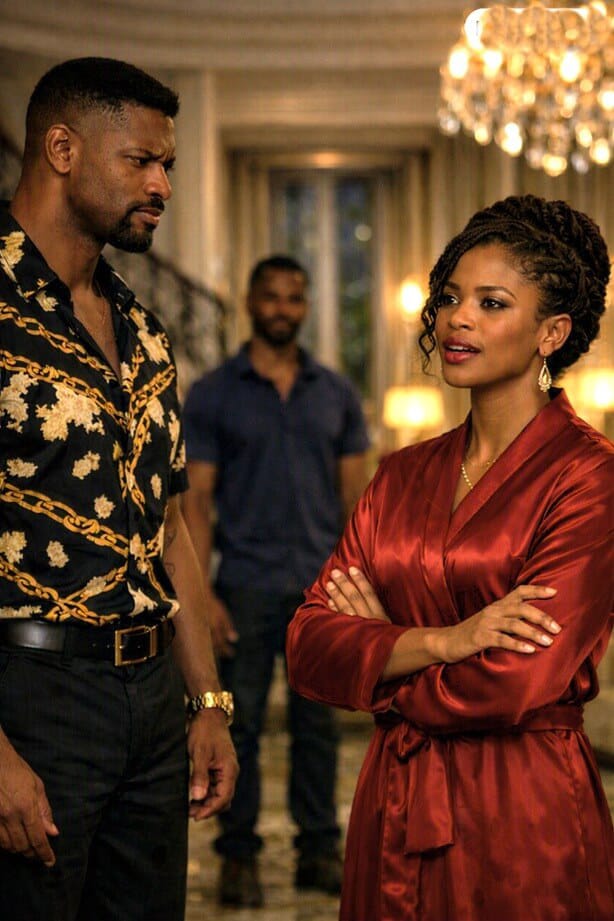
Daniel and Koru finally come face-to-face, with Amara caught between love, family expectations and privilege. But when a mysterious black car enters the equation, their forbidden romance takes a darker turn.

From the mountains of Italy to Northern Uganda, Brother Elio Croce spent more than four decades serving communities through hospitals, war and humanitarian crises.
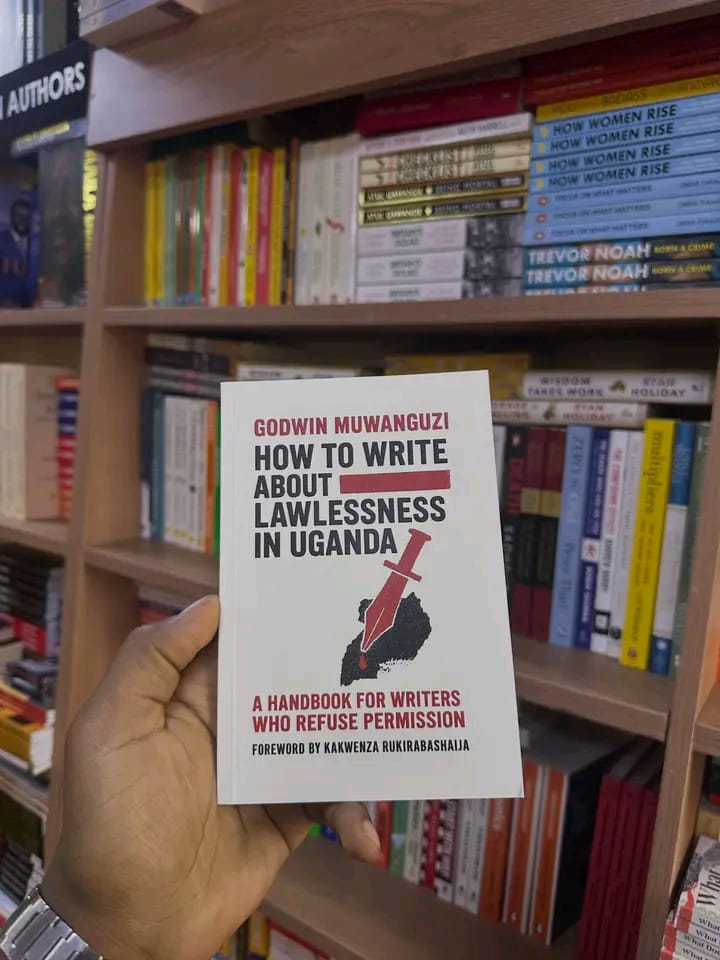
What is the writer’s responsibility in an age of fear, silence and political discomfort? Philip Matogo reviews Godwin Muwanguzi’s provocative 2026 handbook, which places Ugandan protest literature within a longer tradition of writers using language to confront power.
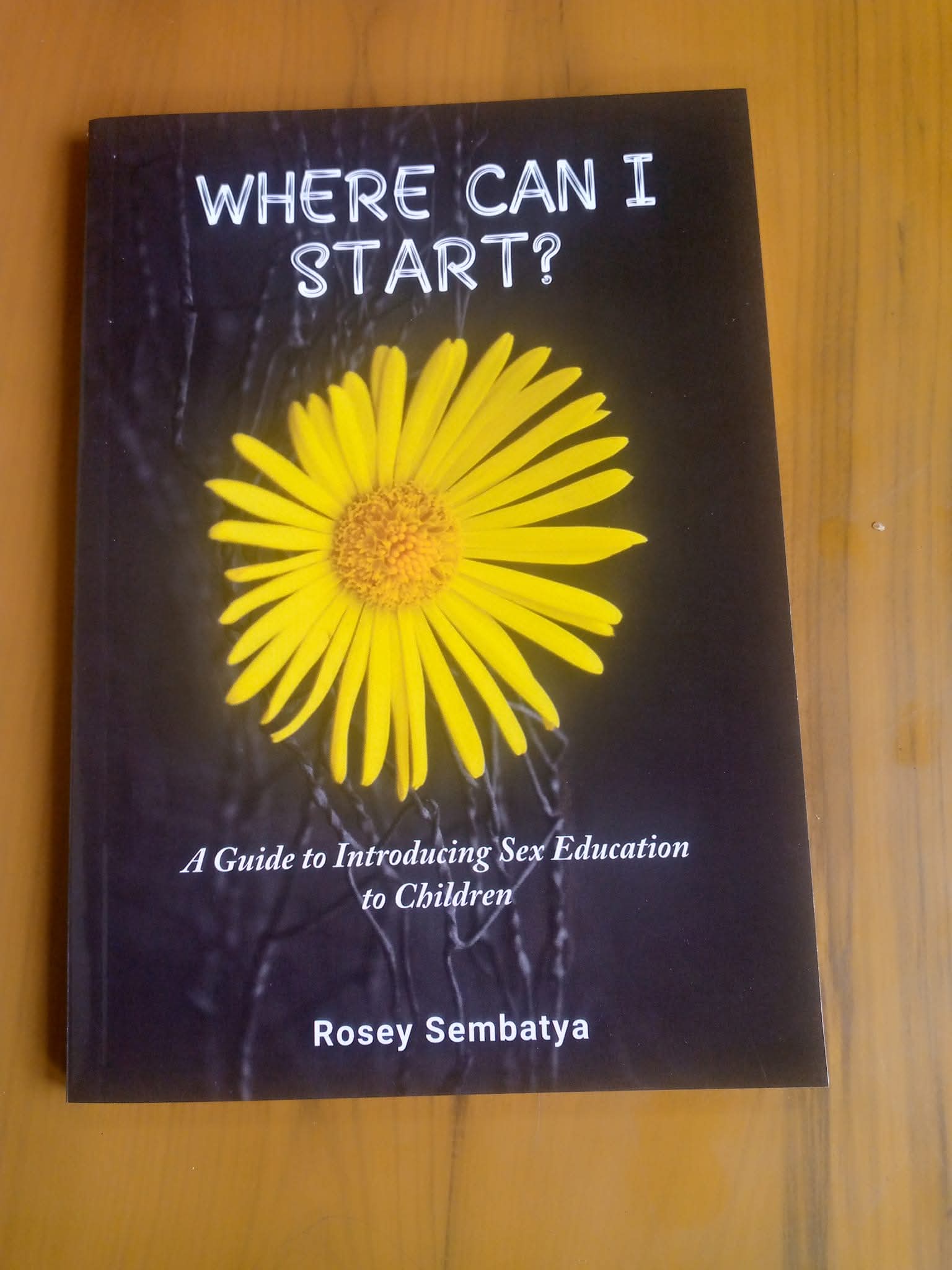
Children do not learn only from what parents tell them—they also learn from what parents do. Through Rosey Sembatya’s Where Can I Start?, Philip Matogo examines sex education, parental values and the difficult art of practising what we teach.

What makes a three-line joke work? Fasihi Magazine takes apart one of Timothy Nyanzi's deceptively simple jokes to reveal the puns, misdirection, incongruity and linguistic ambiguity behind the laughter.
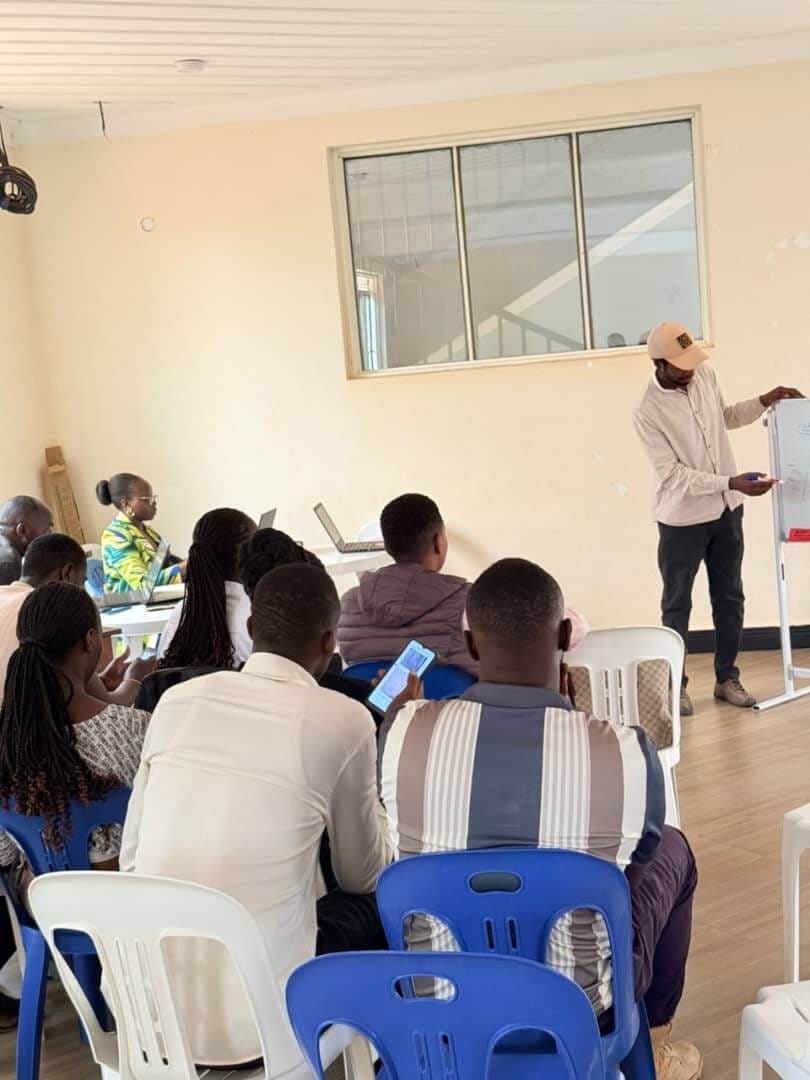
Uganda does not lack creative talent. The challenge is organizing that talent into sustainable economic value. Zaza Organization explores how skills, collaboration, technology, finance and markets can help move Uganda's creative economy from survival to impact.
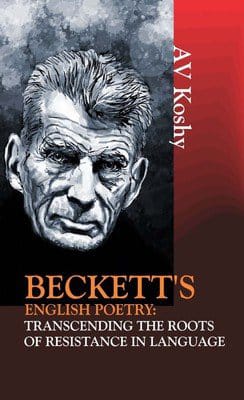
Samuel Beckett is remembered principally for drama and prose, but what happens when we encounter Beckett the poet? Dr. Ampat Koshy explores a poetic world suspended between expression and silence, where language is repeatedly stripped down yet stubbornly refuses to disappear.
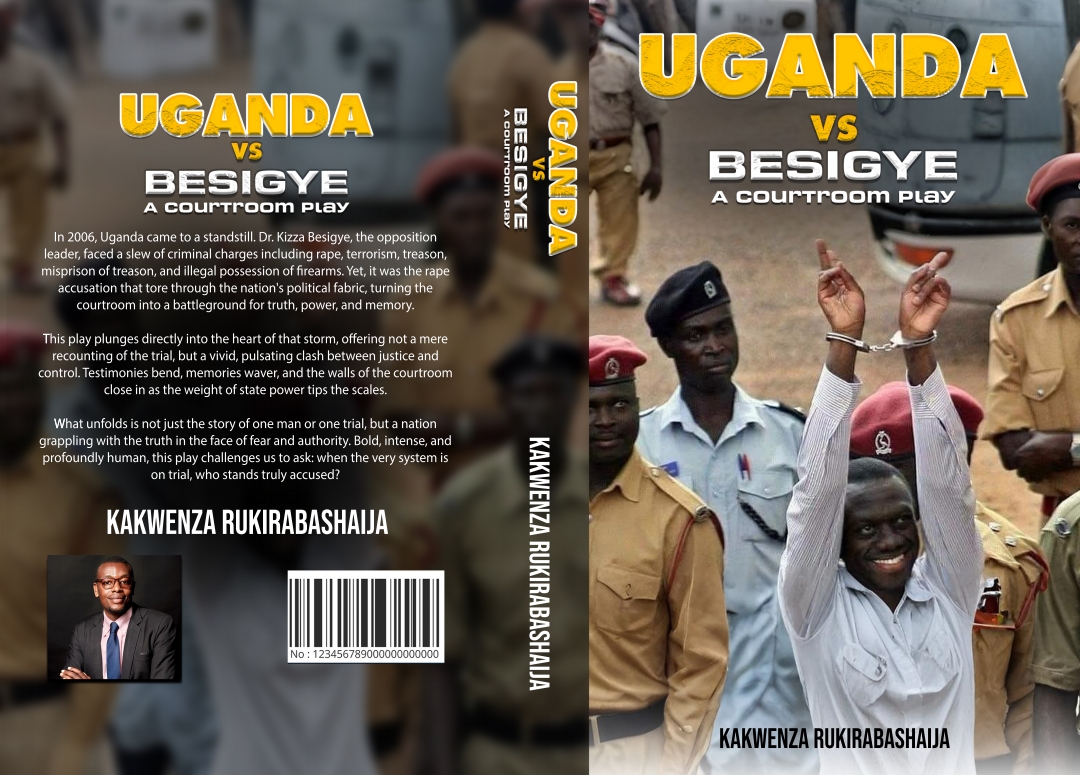
Kakwenza Rukirabashaija turns the courtroom into a stage in Uganda vs Besigye: A Courtroom Play, revisiting Kizza Besigye’s 2005 trial through drama, history and the politics of silence. This literary reflection explores a work that often says the most through what remains unsaid.
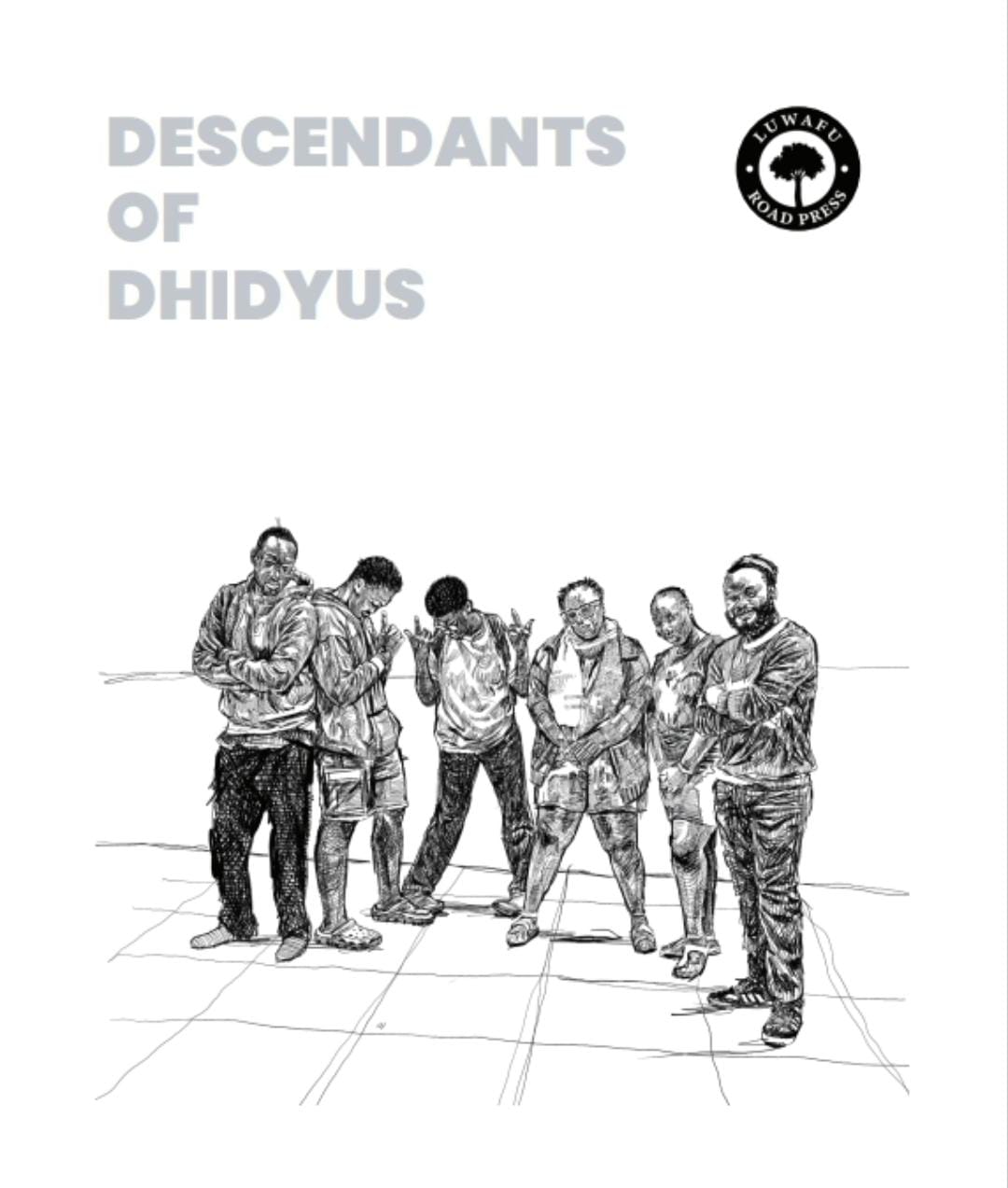
A cursed touch, a forbidden inheritance and a love shadowed by fate. Descendants of Dhidyus draws on allegory, mythology and romance to tell a story in which nothing means only one thing. This literary reflection explores the symbolism behind Devis The Poet’s evocative verse.