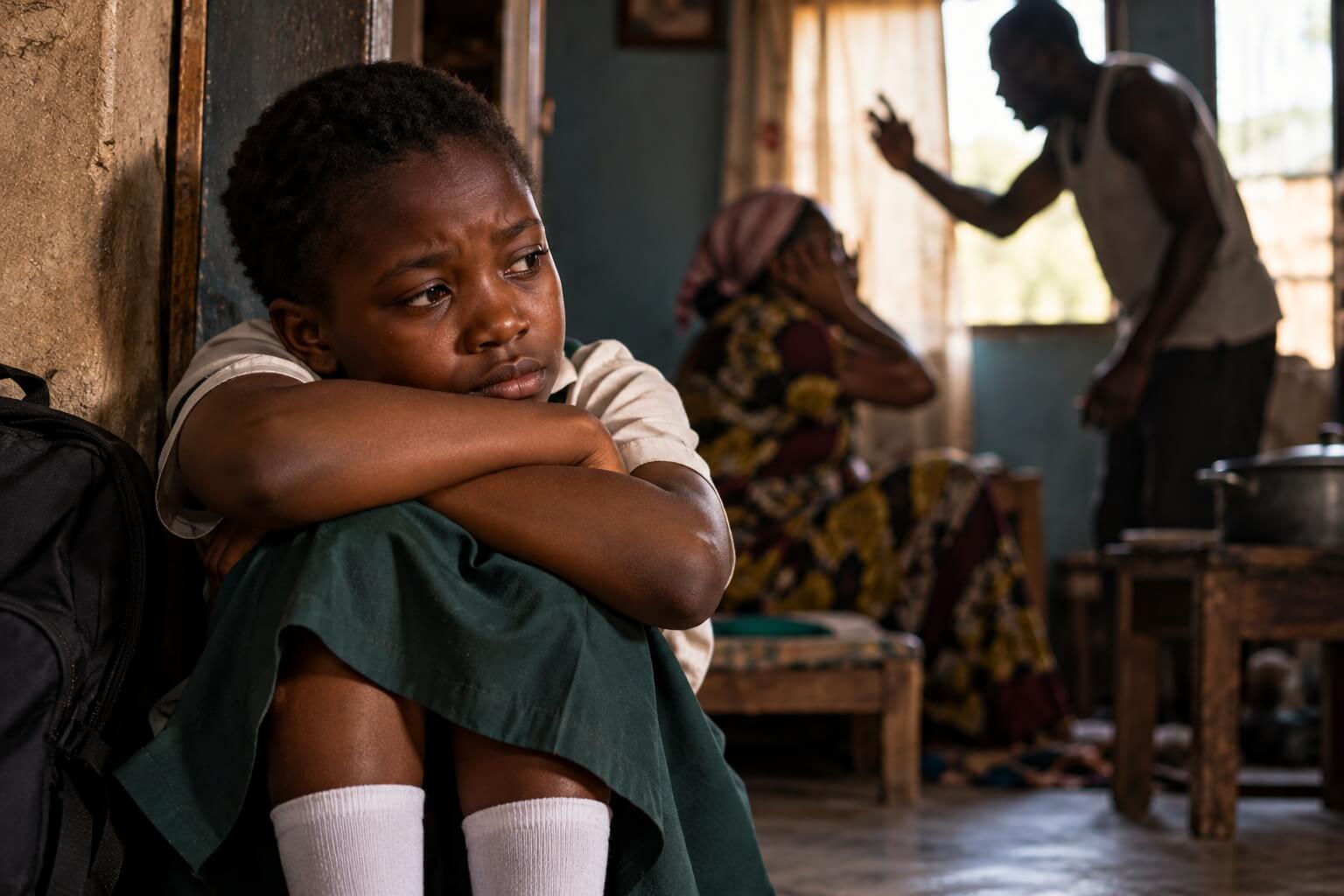
The Truth I Adore!
Behind a student's familiar face may lie a story of violence, fear and silent suffering. In “The Truth I Adore!”, Ama Poetry asks whether a child can endure pain at home and still find the strength to show up at school.
Behind a student's familiar face may lie a story of violence, fear and silent suffering. In “The Truth I Adore!”, Ama Poetry asks whether a child can endure pain at home and still find the strength to show up at school.
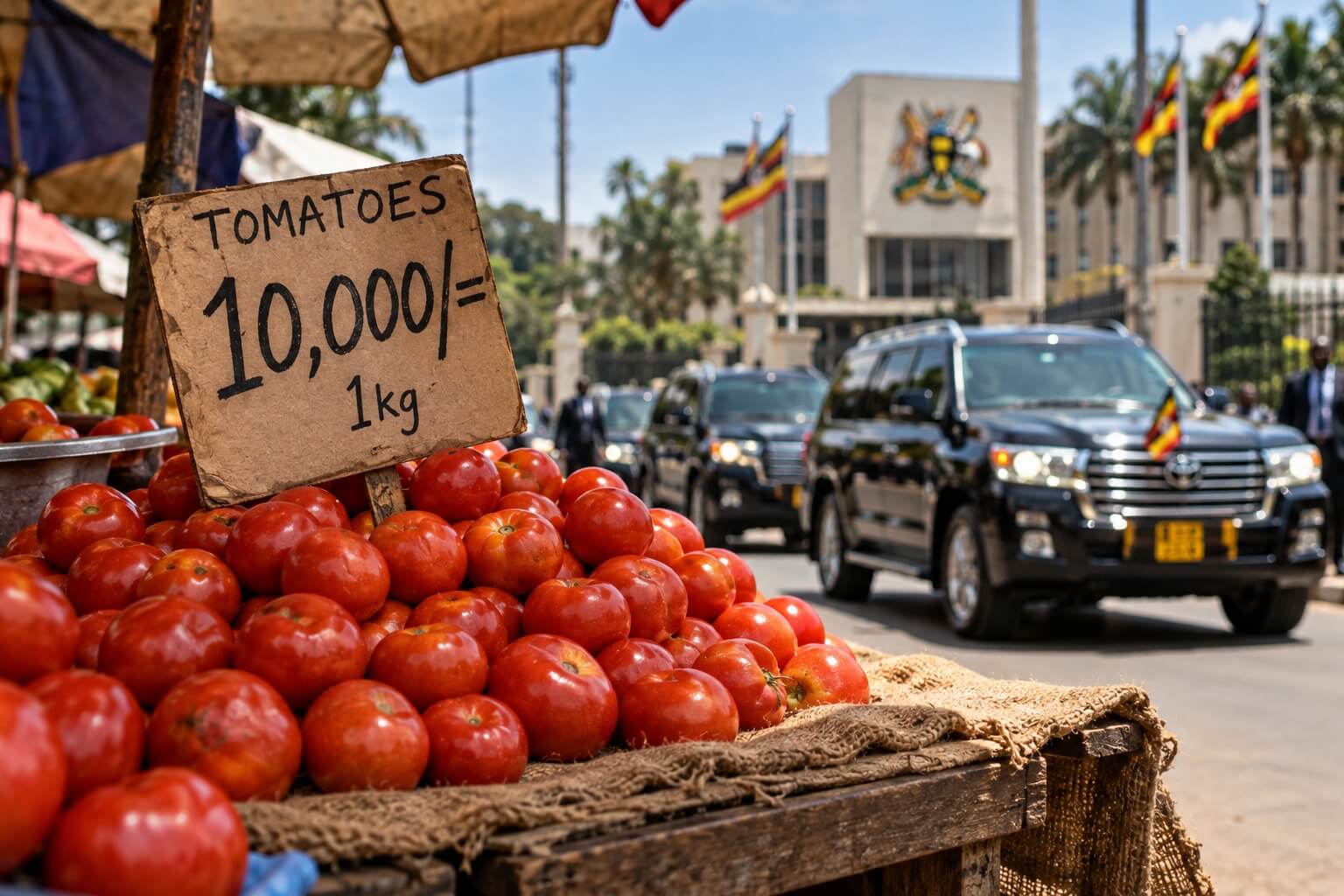
When tomatoes become luxuries and fuel turns aristocratic, what remains affordable to ordinary citizens? Juma Clever Collins uses biting political satire to examine economic hardship, privilege and the widening gap between leaders and the people.

Can a compliment make someone feel like a superstar, a Casanova or the most attractive person alive? Alex Muhindo explores the amusing power of praise, romance and confidence in this witty, cheeky poem.
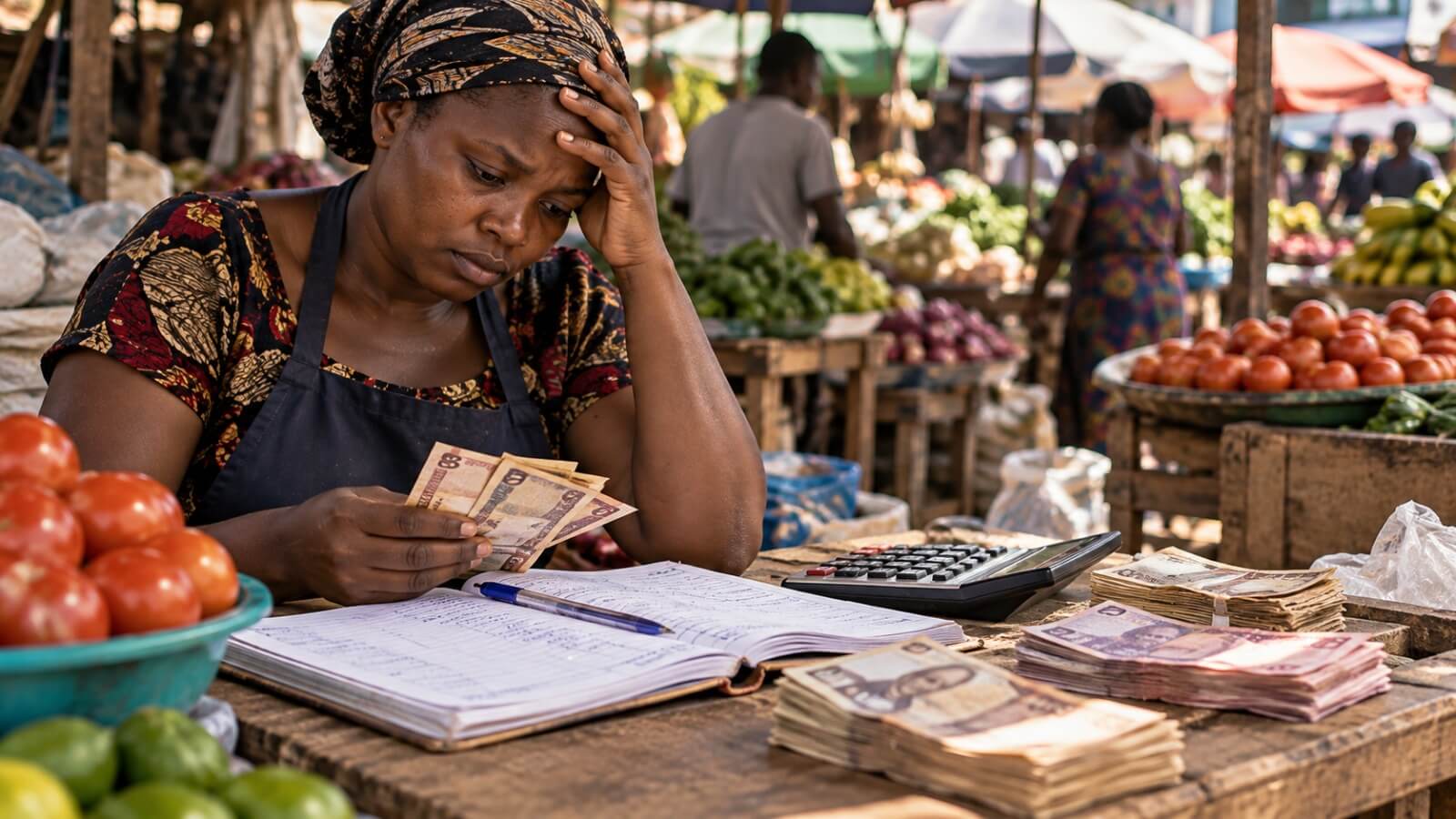
The Bank of Uganda has raised its Central Bank Rate from 9.75% to 12% amid growing inflation and currency pressures. But what does this mean for market vendors, boda-boda operators, farmers and small businesses? Niwagaba Felex examines the costs of monetary tightening and proposes broader economic responses.

She paid UGX 85,000 for six promised rounds. But when morning arrived, the night had delivered something entirely unexpected. Frank Banet blends desire, humour and frustration in a provocative poem about intimacy and broken expectations.

Would you accept UGX 200 million to demonstrate divine healing at Mulago Hospital? A.K.A Geoffrey responds to Frank Gashumba's reported challenge, explaining why he believes miracles should inspire faith rather than become public competitions.

A rugby star. A son. A father. A life that cannot be replaced. In The Son of Gongodyo, Timothy Kirenda reflects on the tragic death of Sydney Gongodyo and the grief that followed, honouring a man whose legacy extends beyond the rugby field.

Some wounds are caused by words that others forget but the mind remembers. Namakula Sumayah explores emotional suffering, depression and the struggle to be understood in a world that often dismisses invisible pain.

In crowded hospital corridors, every breath tells a different story. Namakula Sumayah captures the pain, exhaustion and uncertainty of a place where life and death stand painfully close.
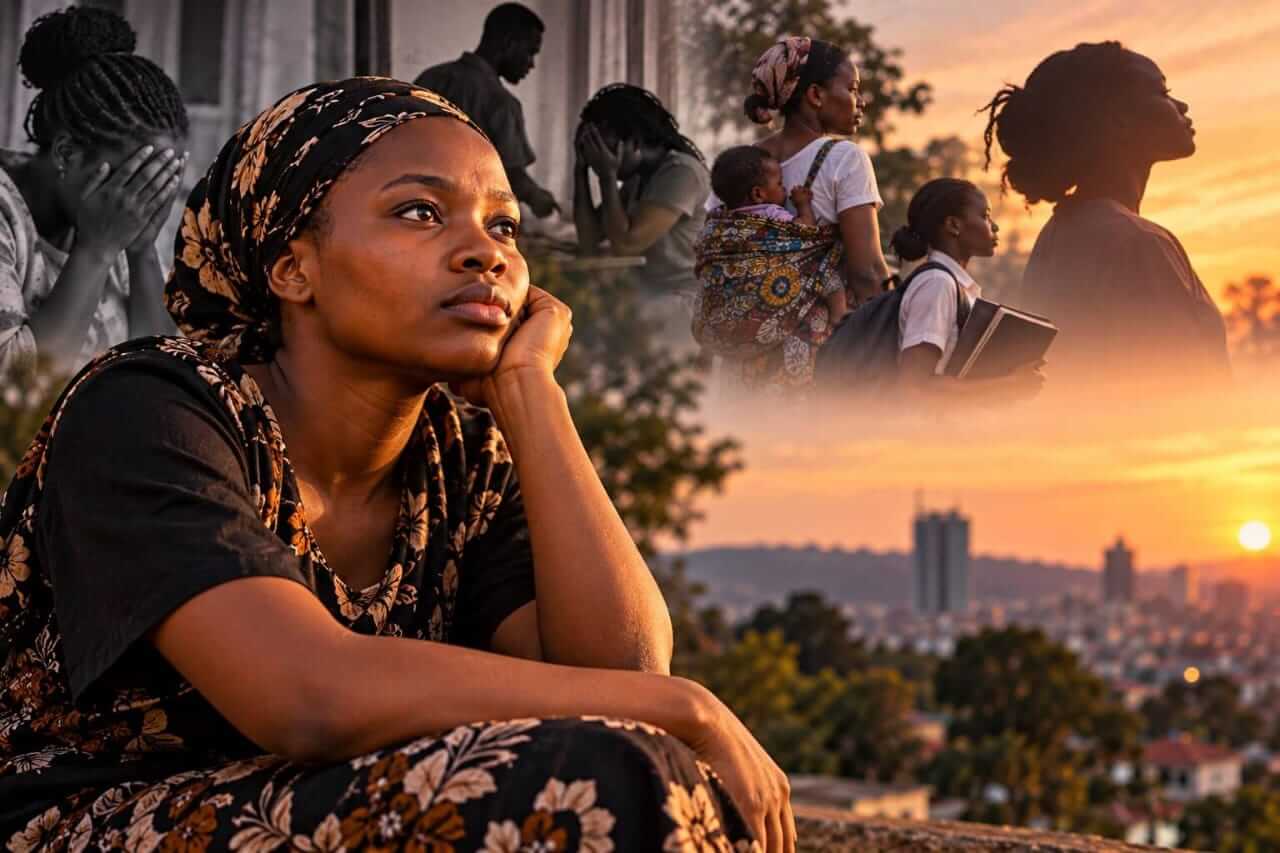
Must a woman surrender her voice to preserve her marriage? In this powerful poem, Vicky Nalubega confronts domestic violence, society's expectations and the struggle for dignity, equality and freedom.