By Niwagaba Felex
When a central bank raises interest rates to control inflation, who bears the greatest burden? In this opinion article, Niwagaba Felex examines Uganda’s reported October 2026 monetary policy decision and its potential effects on informal traders, small businesses and low-income households.
The article considers whether higher borrowing costs can adequately address inflation driven by fuel prices, exchange-rate pressures and disrupted supply chains, while proposing additional measures to strengthen Uganda’s economic resilience.
On 14 October 2026, the Bank of Uganda reportedly raised its Central Bank Rate by 2.25 percentage points, from 9.75% to 12%. The decision came amid rising fuel prices, a weakening shilling, higher freight costs and uncertainty linked to conflict in the Middle East.
The Bank’s concern is legitimate. According to the figures cited in the October monetary policy discussion, annual headline inflation rose to 4.6% in September, from 4.1% in August, partly reflecting higher food-crop and fuel prices.
But I do not believe raising interest rates alone is the right response for Uganda at this moment.
Inflation Is Coming From Costs, Not Luxury Spending
Uganda’s current inflationary pressure is largely driven by rising costs. Fuel prices are increasing, global shipping routes face disruptions, and a weaker shilling raises the cost of imports. Higher transport costs then feed into the prices of food and other essential goods.
When the problem is imported fuel and exchange-rate pressure, raising the policy rate does not directly reduce the price of petrol, diesel or imported goods. Instead, one of its main effects is to make borrowing more expensive.
Higher interest rates can help reduce demand, contain inflation expectations and support currency stability. However, these benefits must be weighed against the immediate financial pressures they may create for households and businesses.
The Burden Falls on the Informal Sector
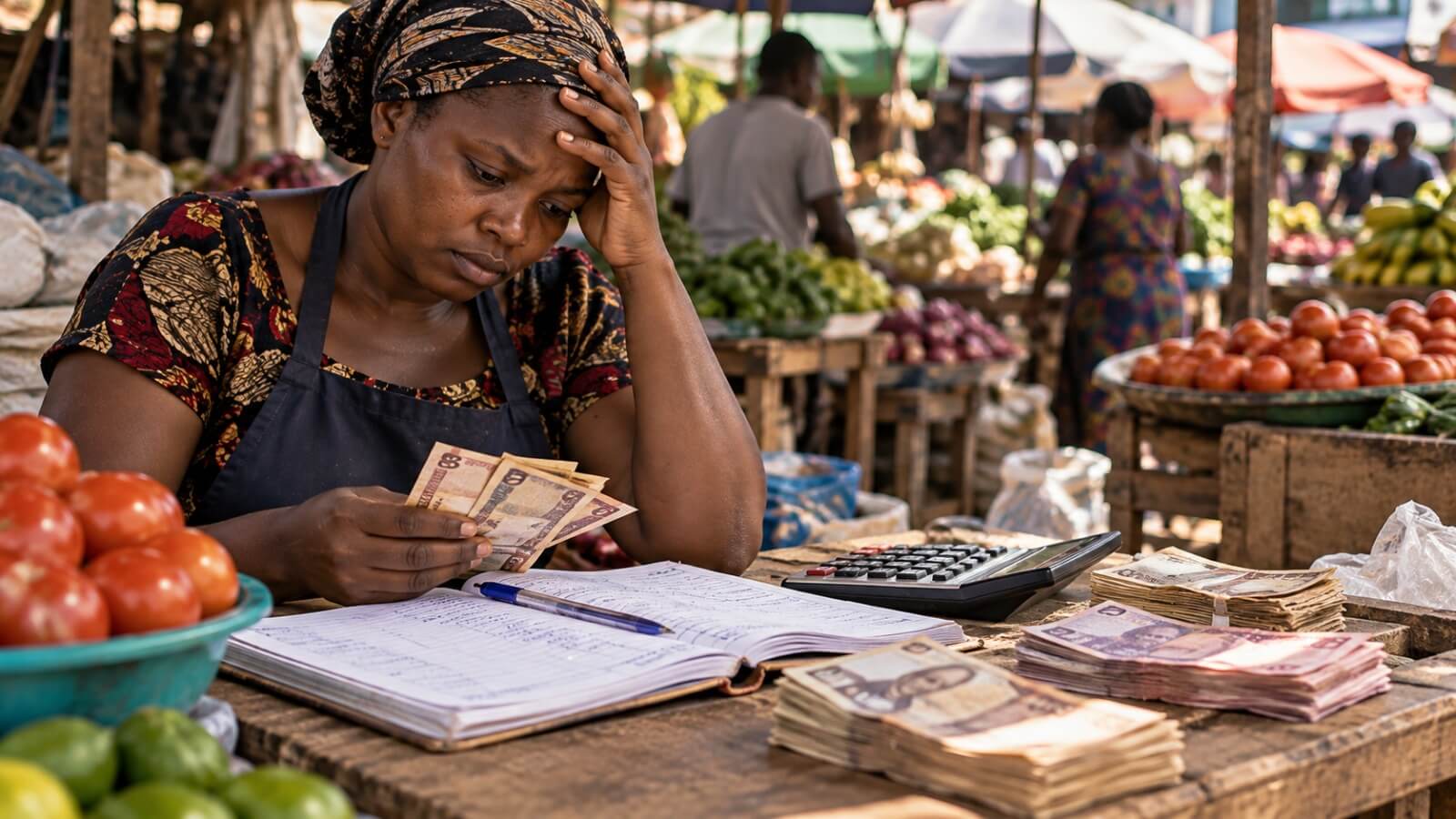
Market vendors, boda-boda operators, farmers, workshops and small shops often depend on loans to purchase stock, fuel and agricultural inputs or to manage cash flow.
Higher borrowing costs can squeeze these businesses even though they are not the main cause of the inflation shock.
Some borrowers may turn to moneylenders or other costly forms of informal credit when formal loans become less affordable.
That does not mean higher interest rates automatically increase the money in circulation. Rather, it means financial stress could shift towards less regulated lenders, potentially exposing already vulnerable borrowers to greater risks.
The Root Cause Requires More Than Monetary Policy
Uganda needs a broader response.
This should include strategic fuel reserves; investment in local refining, fuel storage and transport infrastructure; a review of taxes that contribute to fuel costs; affordable working capital for productive small businesses; and stronger food production, storage and rural market access.
The government can also examine more progressive revenue measures, including taxation of high-value land transactions and luxury property, rather than placing a disproportionate burden on small borrowers.
Public and pension investments should be assessed for both their financial returns and their contribution to long-term economic resilience.
These measures would not eliminate global price shocks, but they could help reduce Uganda’s vulnerability to future disruptions.
Protecting the Shilling Without Neglecting Livelihoods
The Bank of Uganda’s reported rate increase may help defend the shilling and contain inflation expectations. Monetary tightening can be an important instrument when price pressures threaten broader economic stability.
But monetary policy cannot solve an oil-supply shock on its own.
Uganda also needs energy security, targeted fiscal measures, productive investment and policies that protect the informal sector from disproportionate financial strain.
Inflation is not just a number.
For many Ugandans, it is the price of transport, food and survival.
Sources for Editorial Review
- Bank of Uganda — October 2026 Monetary Policy Statement
https://www.bou.or.ug/uploads/MPS_October_2026_cdc1de720f.pdf - Daily Monitor — 14 October 2026
https://www.monitor.co.ug/uganda/news/national/bou-raises-interest-rate-to-12-as-uganda-shilling-weakness-stokes-inflation-5631846 - Daily Monitor — 15 October 2026
https://www.monitor.co.ug/uganda/news/national/economists-fault-central-bank-action-to-money-more-expensive-5632918