
Any Miner’s Innocent First Hopes
Through the innocent hopes of a miner in the Rupa Hills, Dickson Mukisa reflects on labour, love and a man's desire to find dignity in providing for the woman he loves and fulfilling the hopes of his family.

Through the innocent hopes of a miner in the Rupa Hills, Dickson Mukisa reflects on labour, love and a man's desire to find dignity in providing for the woman he loves and fulfilling the hopes of his family.

From arriving at King’s College Budo in 1991 and finishing at the bottom of his class to returning decades later as Guest of Honour at the launch of a student poetry anthology, the writer reflects on Budo's enduring culture of intellect, wit and words—and the freedom of expression found in free verse.

Daniel Asaba has neither wealth nor privilege—only ambition, courage and a love for a woman whose world refuses to accept him. As opposition to their relationship grows darker, Daniel must decide whether Amara is worth crossing a line he has been warned never to cross.
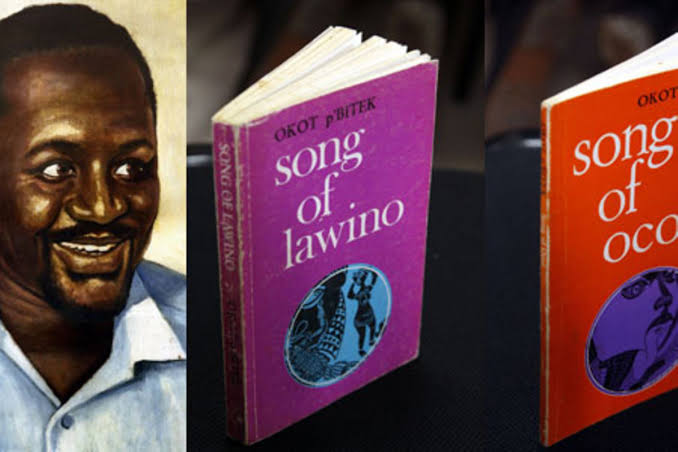
Sixty years after its publication, Song of Lawino remains a landmark of African literature. This reflection revisits Okot p’Bitek’s poetic legacy, the rise of the Song School, and the cultural tensions between tradition, religion and Western influence at the heart of his celebrated work.
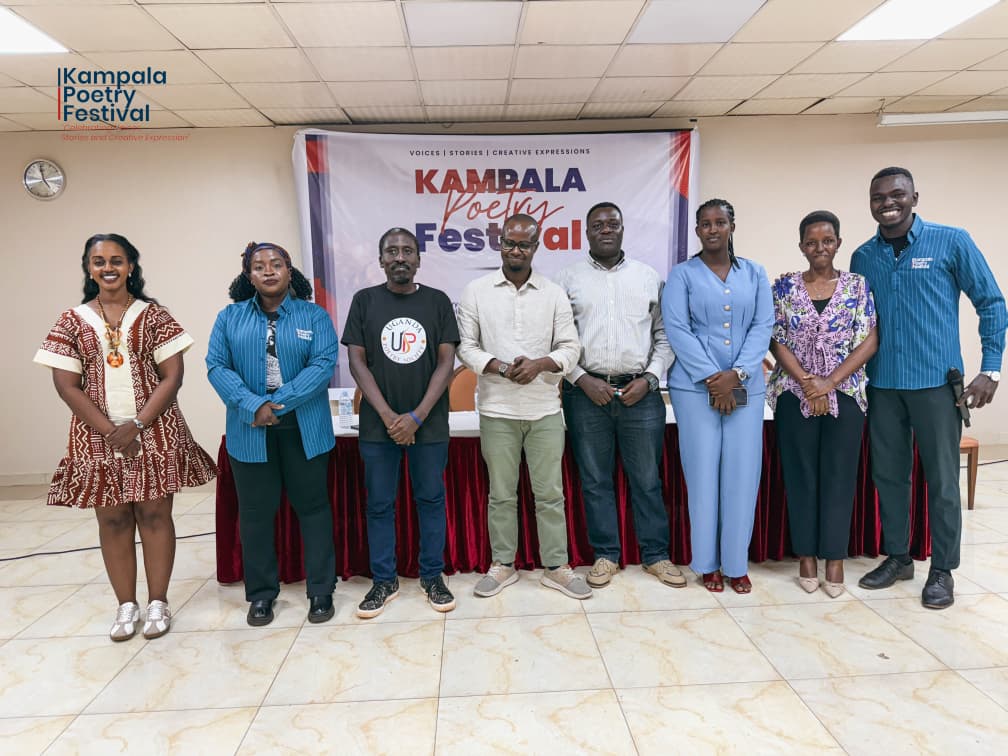
Kampala Poetry Festival 2026 brought established and emerging poets together at Hotel Africana for a celebration of spoken word, storytelling and creative expression.

“He has nothing to offer me except his heart… and somehow, that is the very thing my soul cannot resist.” A powerful opening to a story about love caught between social class, family expectations, culture, and personal choice.
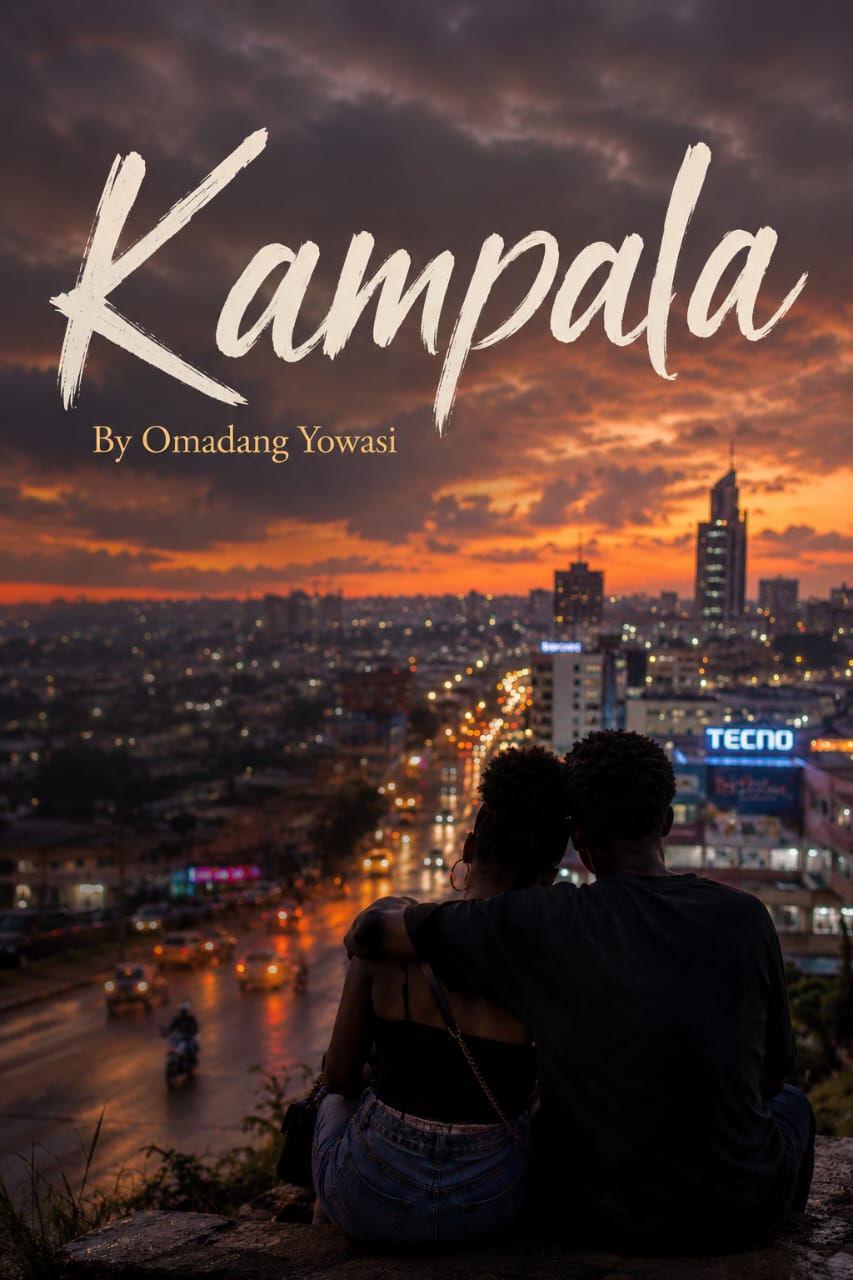
“Kampala holds me tight like a lover & her kisses sweep us down the park where she sobs in mixed confusion.” A poetic portrait of Kampala as a complicated lover—beautiful, chaotic, wounded, vibrant, and deeply human.

“Something better in the name of love” — a heartfelt reflection on aspiration, resilience, imagination, and the courage to keep building dreams despite life's limitations.
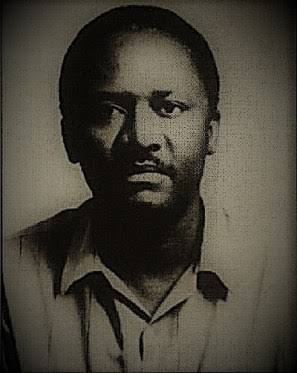
Okot p'Bitek transformed African literature by fusing Acholi oral traditions with modern poetry, using his works to challenge colonial influence, defend African culture, and inspire generations to embrace their identity and heritage.
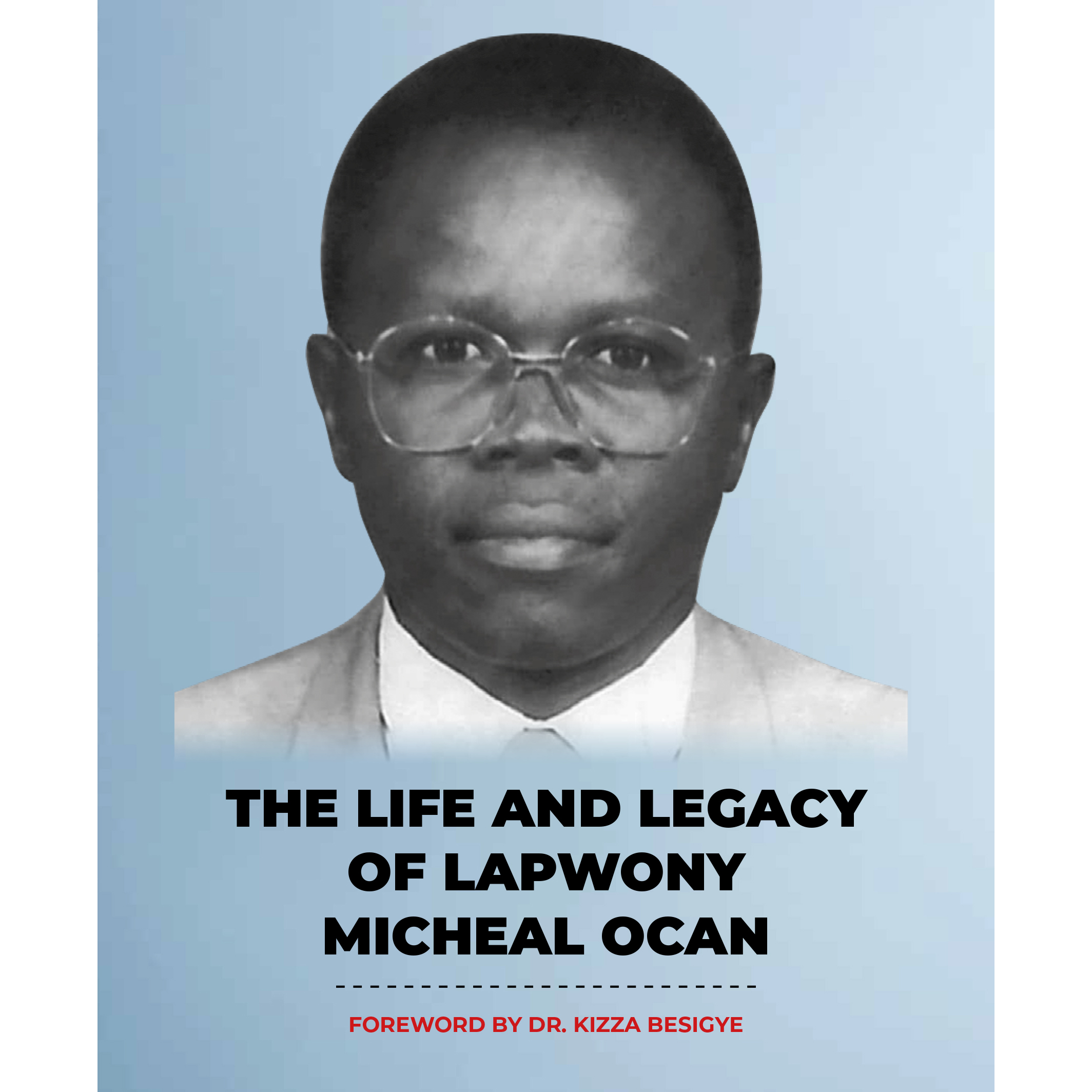
“When I first Lapwony (Mwalimu) Micheal [Ocan], he struck me as being quiet and reserved, even, withdrawn. However, it soon became clear to me he was keenly listening and contemplating.