You need to login in order to like this post: click here
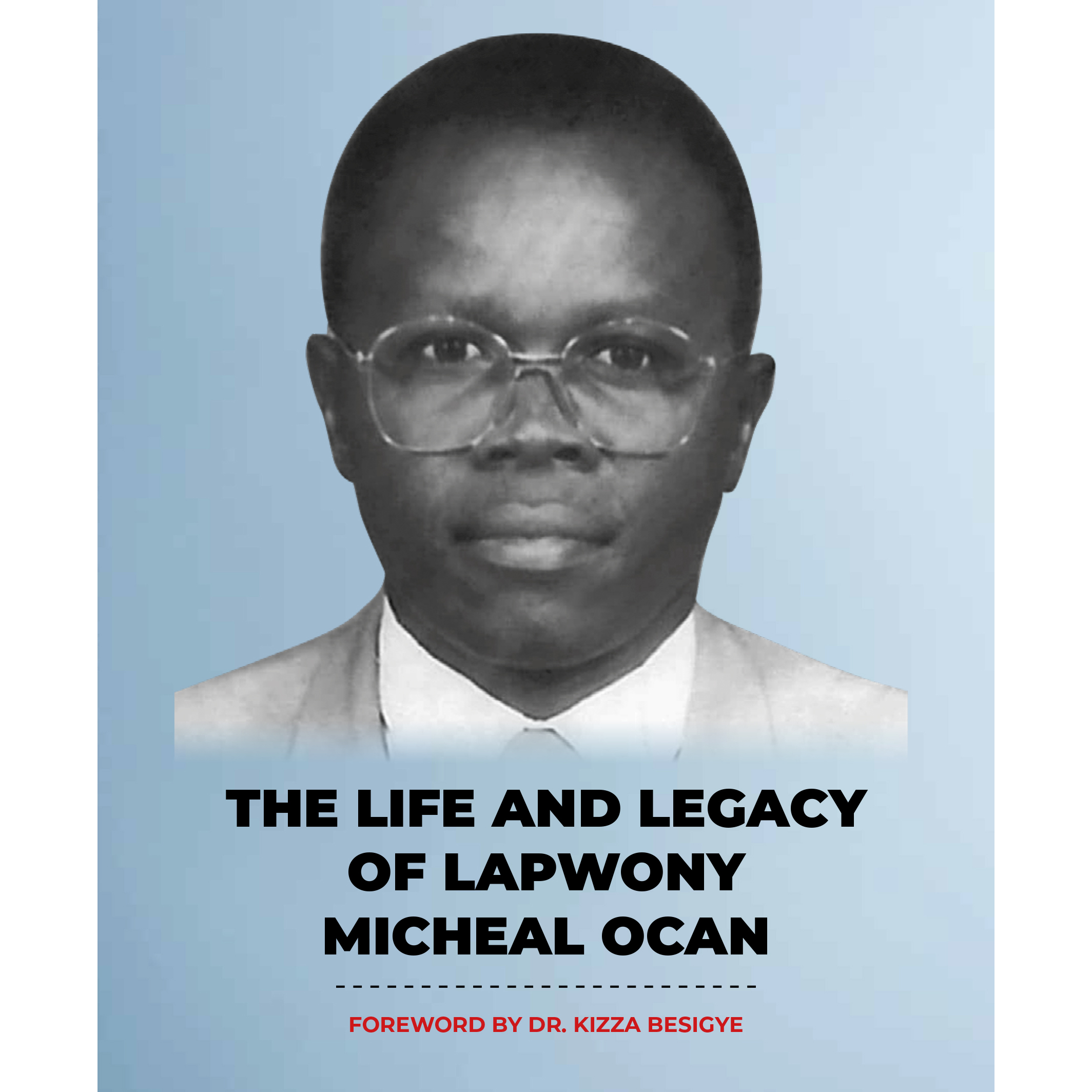
“When I first Lapwony (Mwalimu) Micheal [Ocan], he struck me as being quiet and reserved, even, withdrawn. However, it soon became clear to me he was keenly listening and contemplating. [Nevertheless} he exuded wisdom and leadership in pointing out clearly what he thought needed to be done,” says jailed Opposition Leader Kizza Besigye in the Foreword to the book. The Life And Legacy of Lapwony Micheal Ocan.
Dr. Besigye, along with Ocan’s wife Betty Aol Ocan, leads a menagerie of respected individuals, such as Olara Otunnu among others, who pay tribute to the late Ocan.
Although their remembrances are heightened by flights of rhetoric, this book is not a hagiography. It is a recounting, a hind-sighted sweep of Ocan’s life through the benefit of an insight born of what we know now.
What do we know now? Well, what we know now is that Alice Lakwena’s Holy Spirit Movement (HSM) war was exceptionally deadly, resulting in the deaths of thousands of people within a single year (August 1986 – November 1987). The conflict is historically categorized as a “fearsome slaughter”, primarily because the rebels relied on spiritual protections rather than conventional military tactics.
Lakwena forbade her forces from using standard guerrilla cover tactics. She commanded them to march in straight lines, sing hymns, and rely on shea butter oil smeared on their chests to deflect bullets. They threw stones, believing they would explode like grenades. When facing the heavily armed National Resistance Army (NRA), this resulted in immediate, catastrophic massacres.
It was like a beliigerent throwback to the Maji Maji Rebellion (1905-1907), which was strikingly similar to Lakwena’s war, as both were tragic examples of millenarian spiritual resistance against a militarily superior enemy. In both conflicts, African fighters relied heavily on magical protections from medicine men or spirit mediums to neutralize European-style modern weaponry, resulting in devastating casualties.
As Lakwena led her forces 400 miles south from Gulu toward Kampala, her army suffered hundreds of casualties in nearly every town they passed through, including heavy fighting across Teso, Tororo, and Busoga.
When the northern-led HSM moved into eastern and central Uganda, local villagers did not support them. Civilians frequently ambushed, hacked, or beat retreating, unarmed Lakwena followers to death.
When the movement finally collapsed under heavy artillery fire just 50 miles outside Kampala, thousands of surviving rebels tried to flee back north. Lacking food, medicine, and shelter, vast numbers died in the wilderness from untreated battle wounds, exhaustion, and malaria.
An estimated 6,000 to over 7,000 people died during Alice Lakwena’s short-lived Holy Spirit Movement (HSM) war between August 1986 and November 1987.
It was also at this time that Lapwony Michael Ocan stepped into the void that served as the divide between Lakwena and government forces.
Ocan was a prominent Acholi educator and peace mediator who played a critical role in initiating dialogue between the Ugandan government and Alice Auma Lakwena, the leader of the rebel Holy Spirit Movement (HSM). In the Acholi language, Lapwony translates to “Teacher,” a title reflecting his professional background and the community respect he commanded.
When Alice Lakwena launched a spiritual war against President Yoweri Museveni’s government in 1986, northern Uganda fell into severe instability. Amidst the fighting, Michael Ocan stepped forward to use his local status and trust to act as a crucial conduit.
He actively engaged with Lakwena’s forces to bridge communication gaps, striving to bring a peaceful resolution to the bloody conflict before the movement was militarily crushed in late 1987.
This book chronicles how and why Ocan became the peace broker he became as well as why his memory is more relevant today than ever before.
You need to login in order to like this post: click here