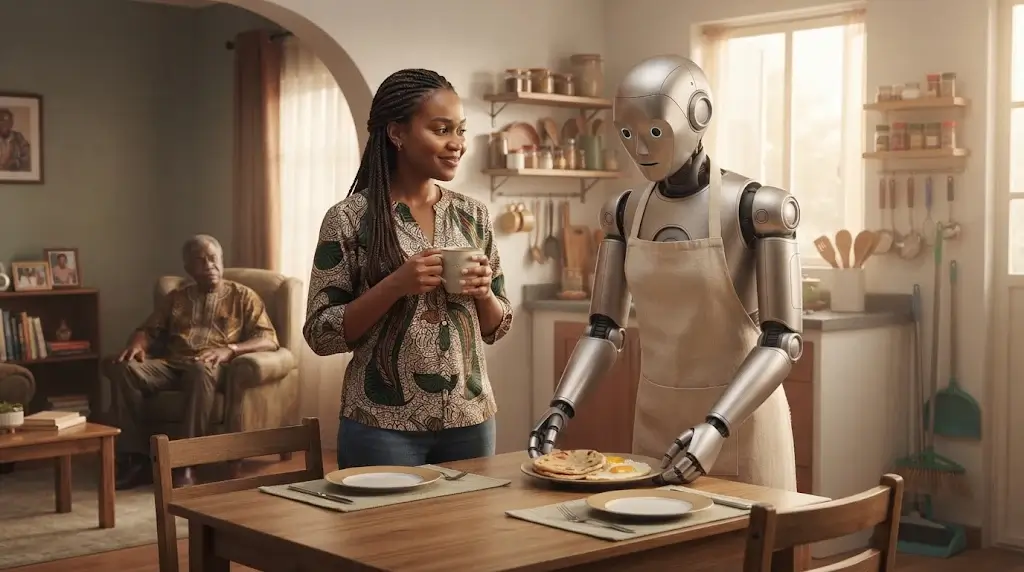
DIARY OF THE GOOD WIFE
“The day AI stole my job was the happiest day of my life. Bear with me; I can explain!”
“The day AI stole my job was the happiest day of my life. Bear with me; I can explain!”
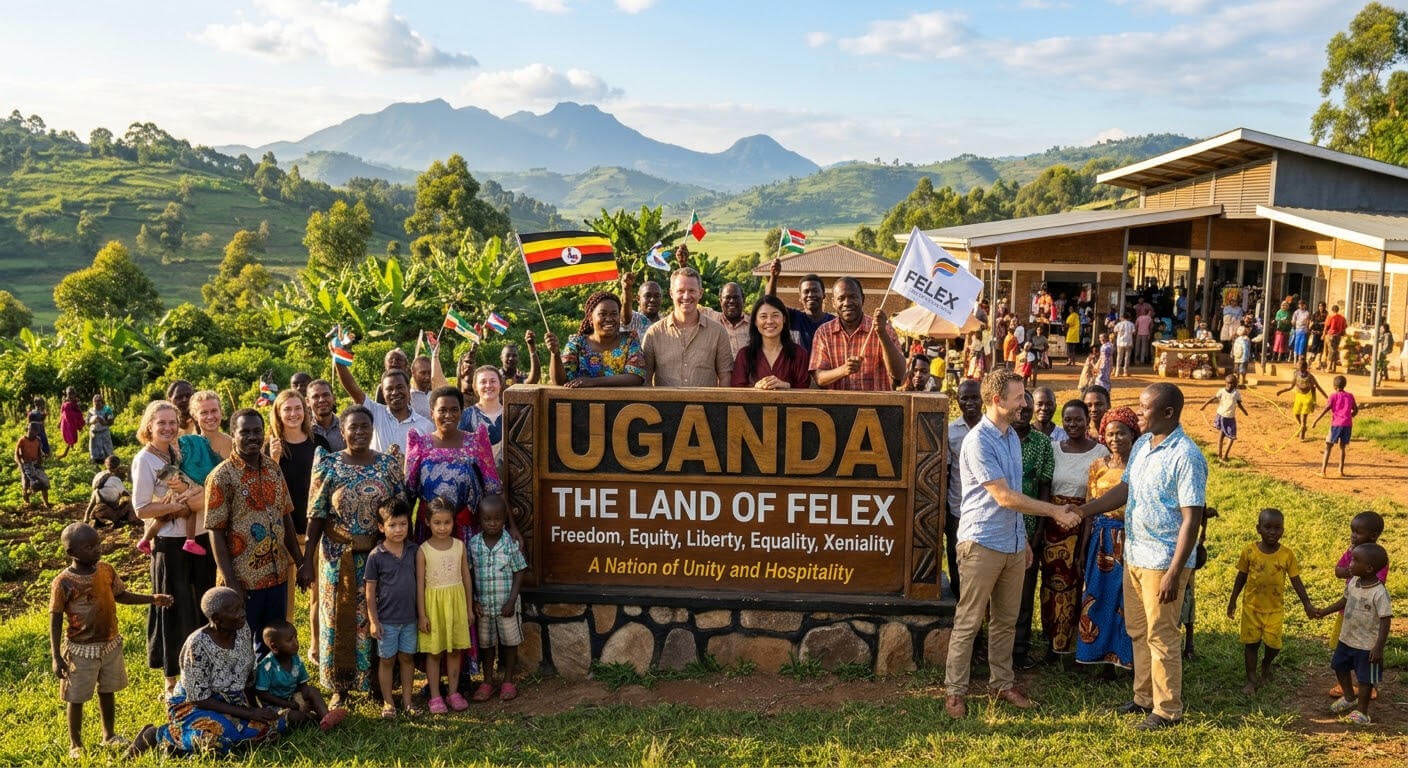
Kampala's changing neighbourhoods raise an important question: as Uganda becomes more diverse and urban life becomes increasingly expensive, are ordinary Ugandans being left behind? Felex Niwagaba explores citizenship, refugee inclusion, housing affordability and the responsibility to build a nation where growth creates opportunity for everyone.

When Aisha decides to become a boda rider in Mbarara, the men at the stage call her a problem. But with determination, training and an opportunity to earn, she sets out to challenge stereotypes, support her children and build a future she can call her own.

Would you accept UGX 200 million to demonstrate divine healing at Mulago Hospital? A.K.A Geoffrey responds to Frank Gashumba's reported challenge, explaining why he believes miracles should inspire faith rather than become public competitions.
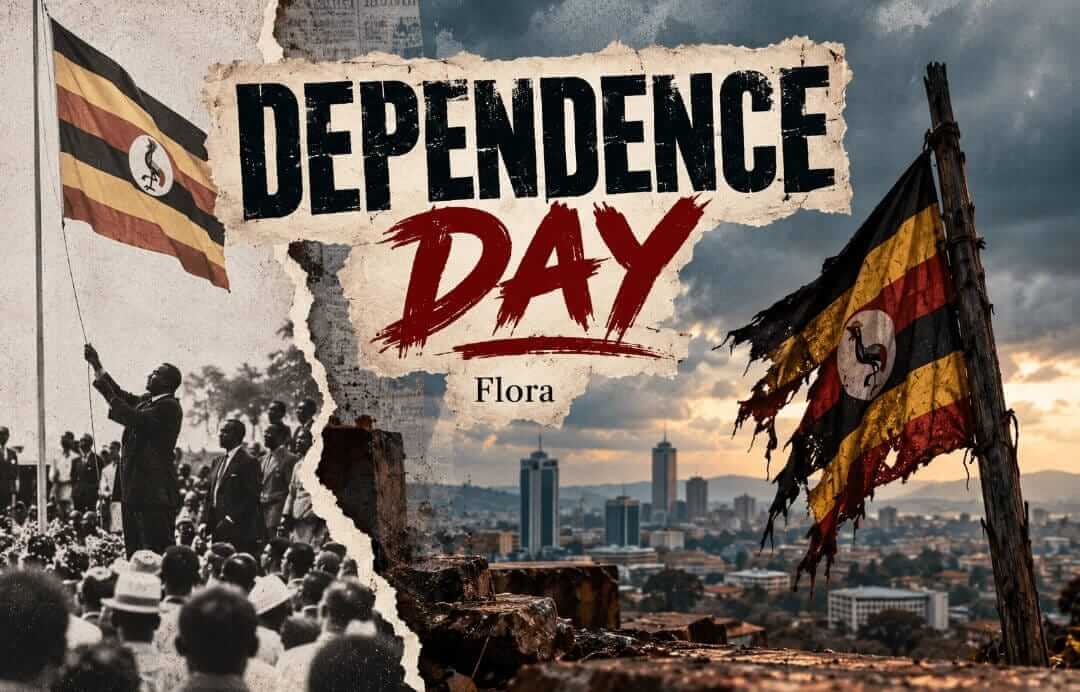
In Dependence Day, Flora reflects on Uganda's journey since independence, contrasting the hope of 1962 with questions about corruption, unemployment, foreign dependence and the meaning of freedom today.
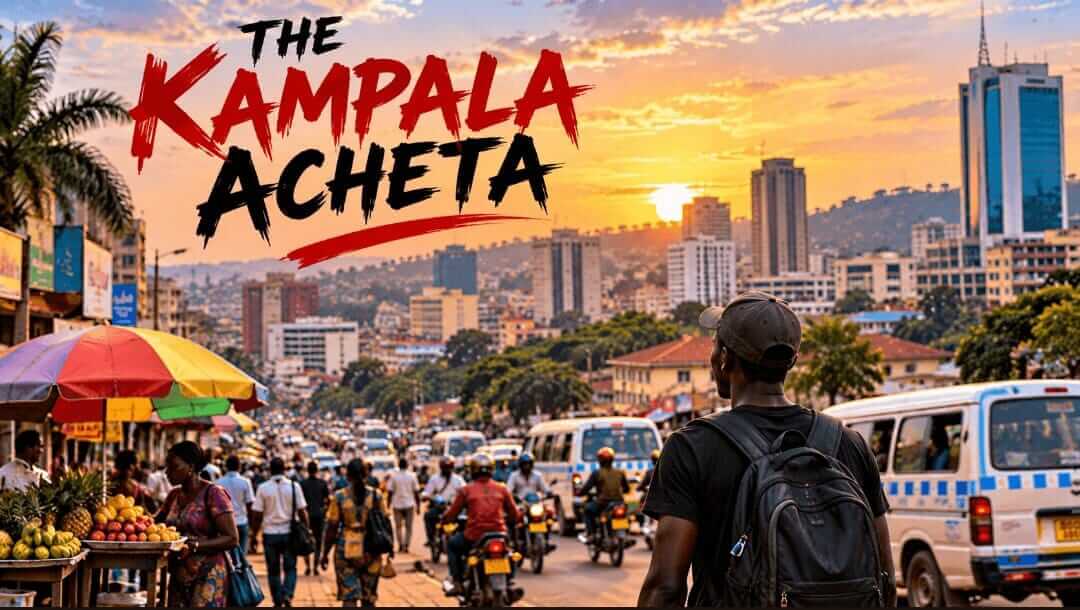
In The Kampala Acheta, Kenganzi Anitah Maverick mixes English, Luganda expressions and street humour to capture Kampala's gossip, social media moments, drama and everyday absurdities.
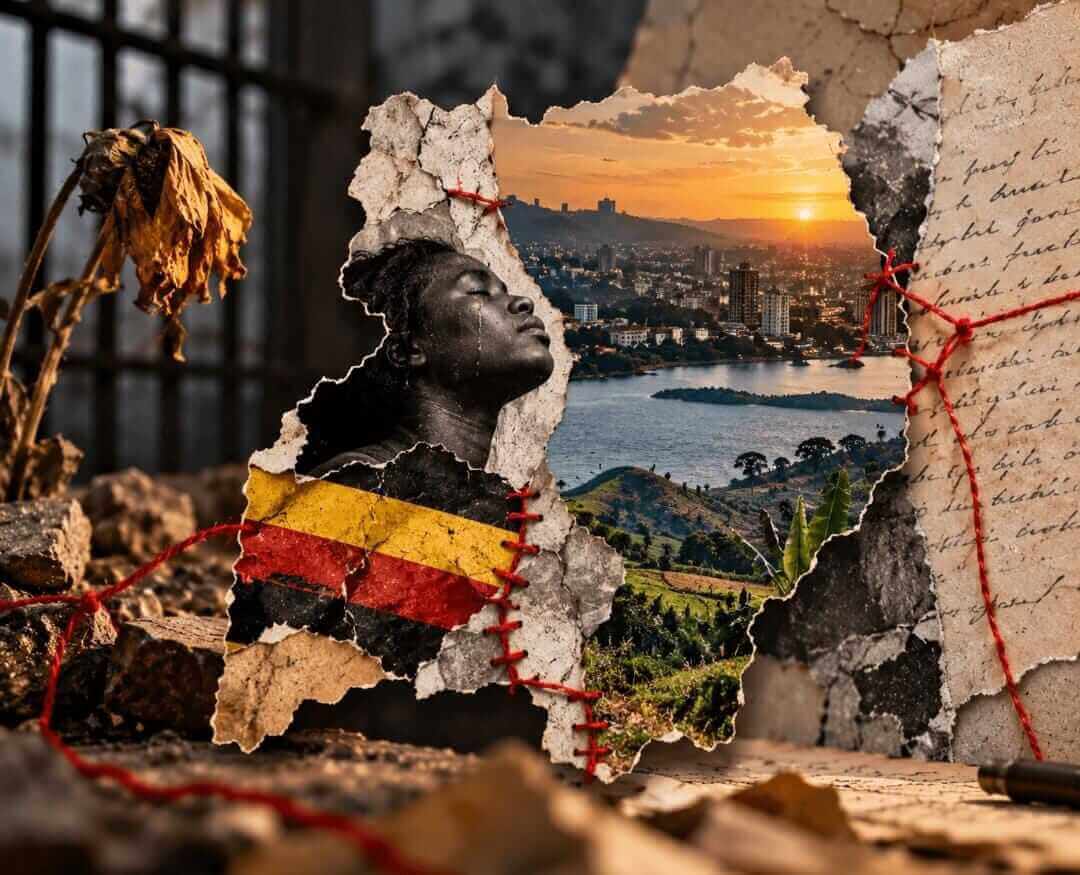
In Loving My Country Hurts!, Suzan Kantanzi Amumpaire draws on the story of Orpheus and Eurydice to explore patriotism, pain and the complicated experience of loving one's country while feeling wounded by what happens within it.
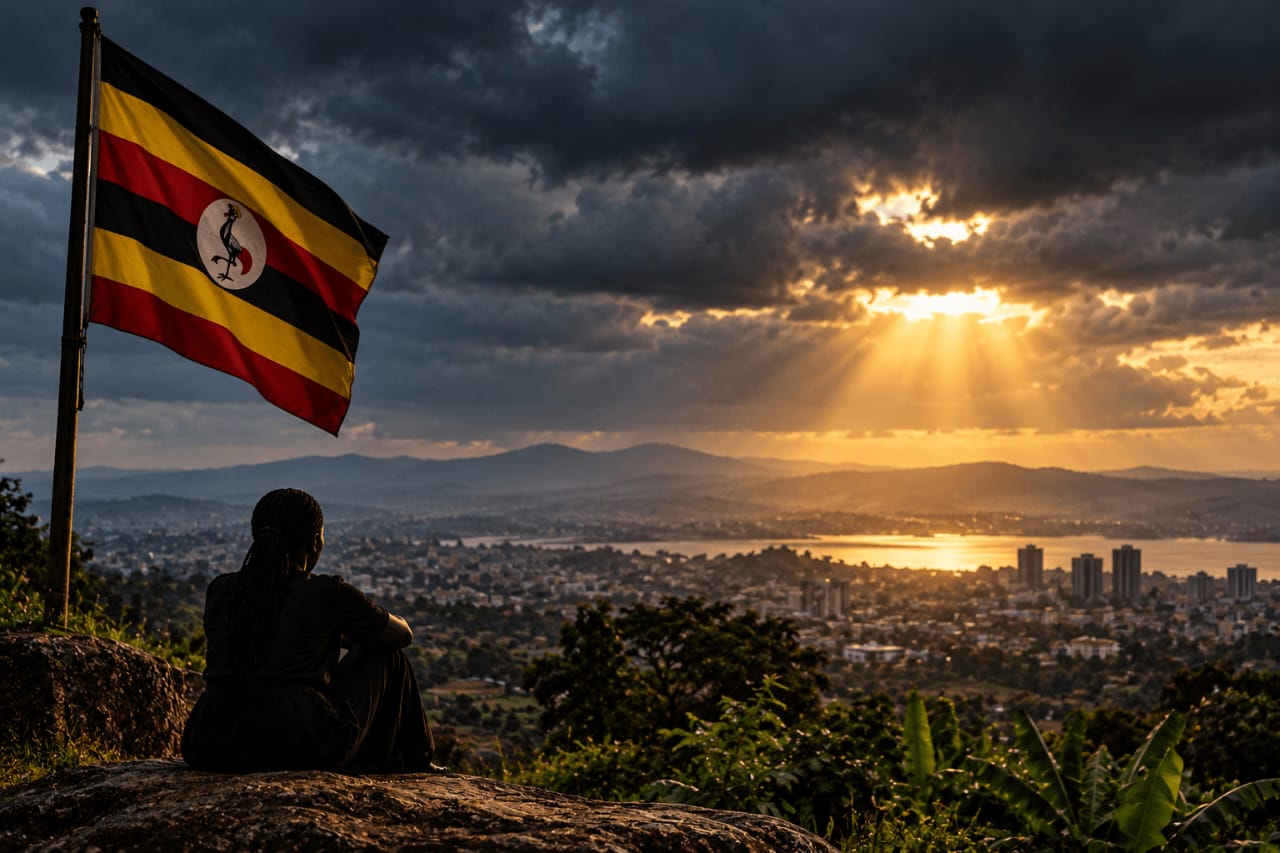
In August 2026 — The Black Month, Treasure reflects on grief and loss in Uganda, mourning lives gone too soon while holding onto the possibility of hope beyond a painful August.
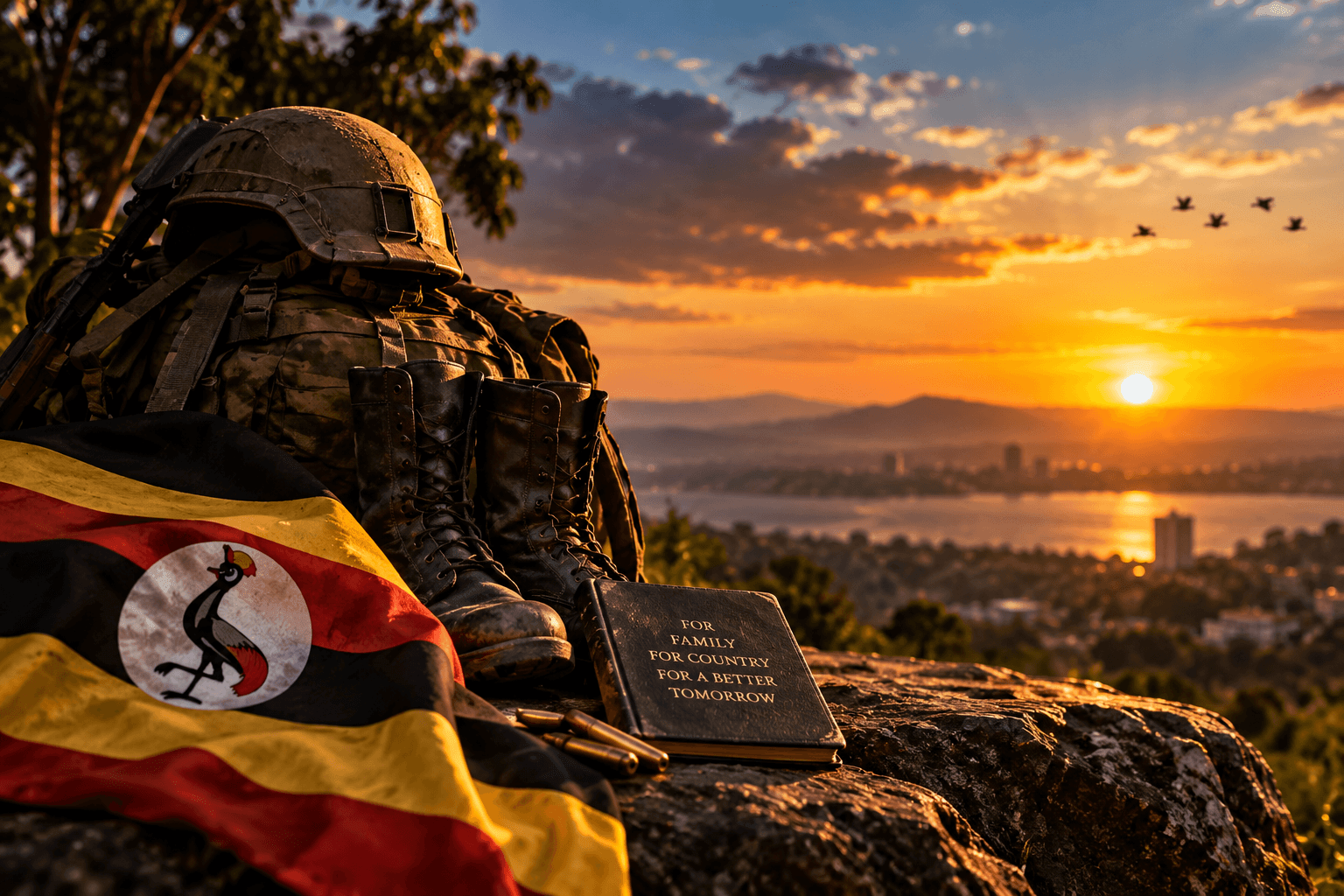
In Soldier’s Will, Jude Cipher imagines the final wishes of a soldier reflecting on war, family, sacrifice, love and freedom before leaving one final goodbye.