
IS THERE NEO-PROSTITUTION IN MARRIAGE?
Felex Niwagaba examines bride price, sex, financial responsibility and transactional relationships as he asks a provocative question: is there what he calls “neo-prostitution” within modern marriage?

Felex Niwagaba examines bride price, sex, financial responsibility and transactional relationships as he asks a provocative question: is there what he calls “neo-prostitution” within modern marriage?

In When I Am Asked Why I Am Not Married, Felex Niwagaba examines money, sex, marriage and changing relationship expectations through a provocative concept he calls “neo-prostitution.”
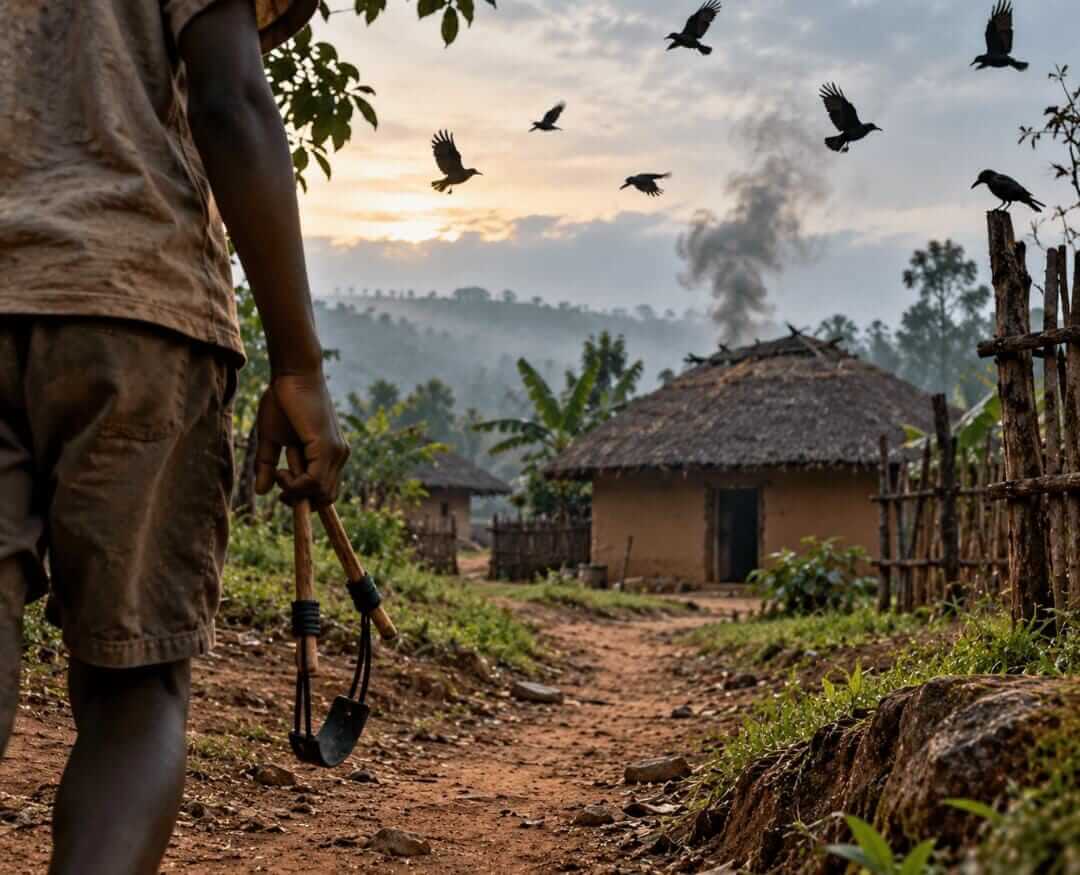
In My Grandfather, Gerald Obote recalls a childhood fowling expedition that ends in devastating loss, using crows, silence and memory to portray the death of a beloved grandfather.

In To, Atuhwera Daphine traces the human journey through friendship, education, love, family, wealth, poverty and suffering before confronting the one destination every life eventually shares.
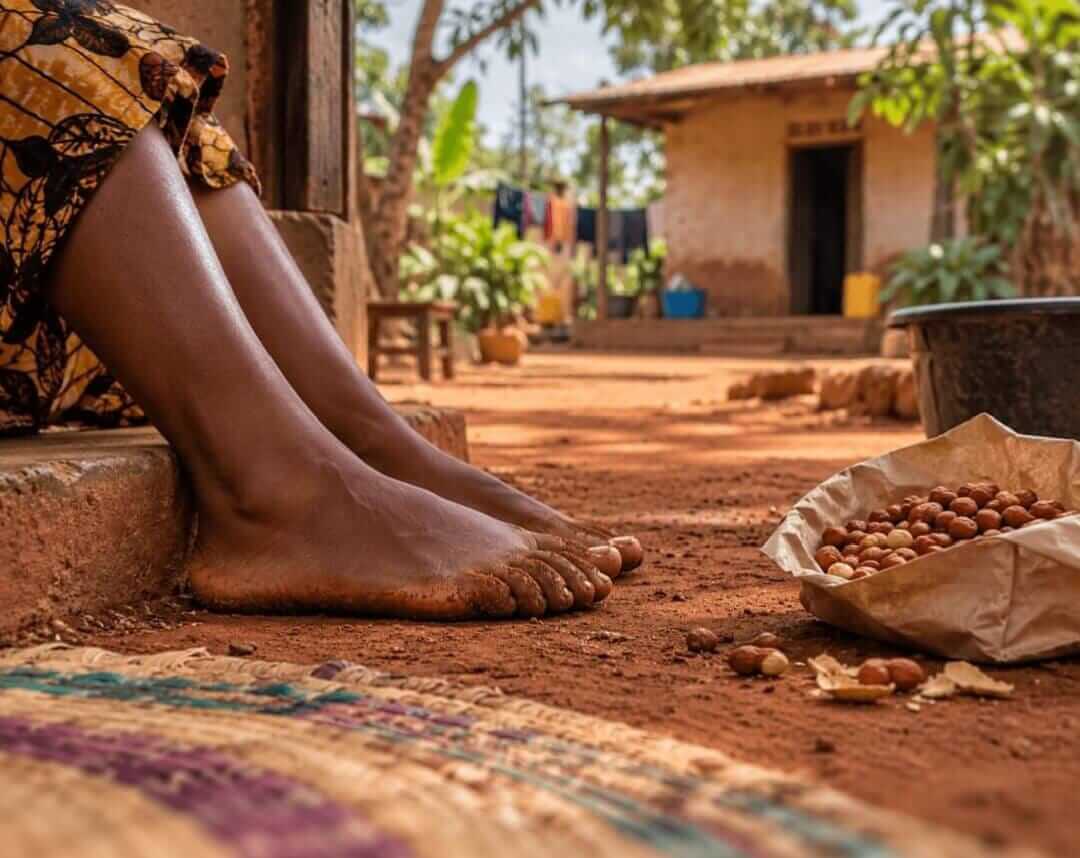
In Belonging, home lives beyond geography. Through memories of Masaka, a brother’s voice, fried groundnuts and familiar words, the poet explores how family and memory allow us to carry home wherever we go.
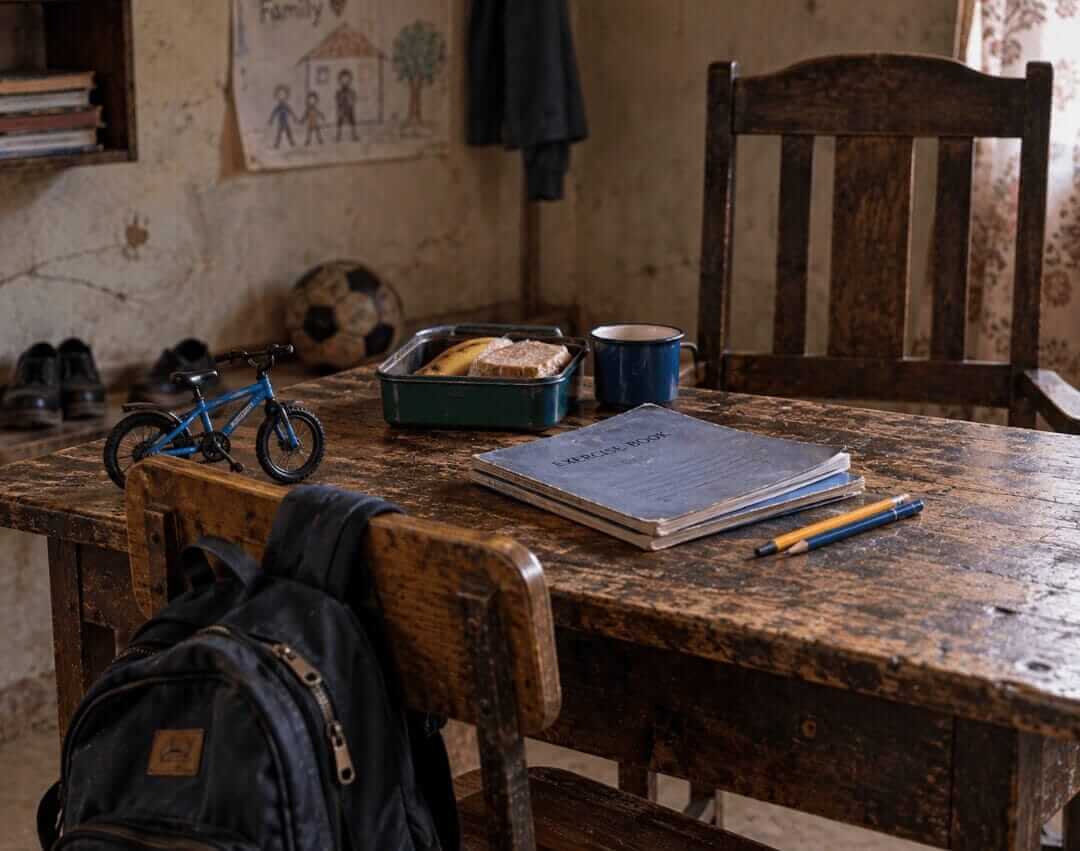
Wish I Had a Dad explores fatherlessness through the eyes of a child who imagines how a father's presence might have changed school, family life, hardship and an older sister's future.
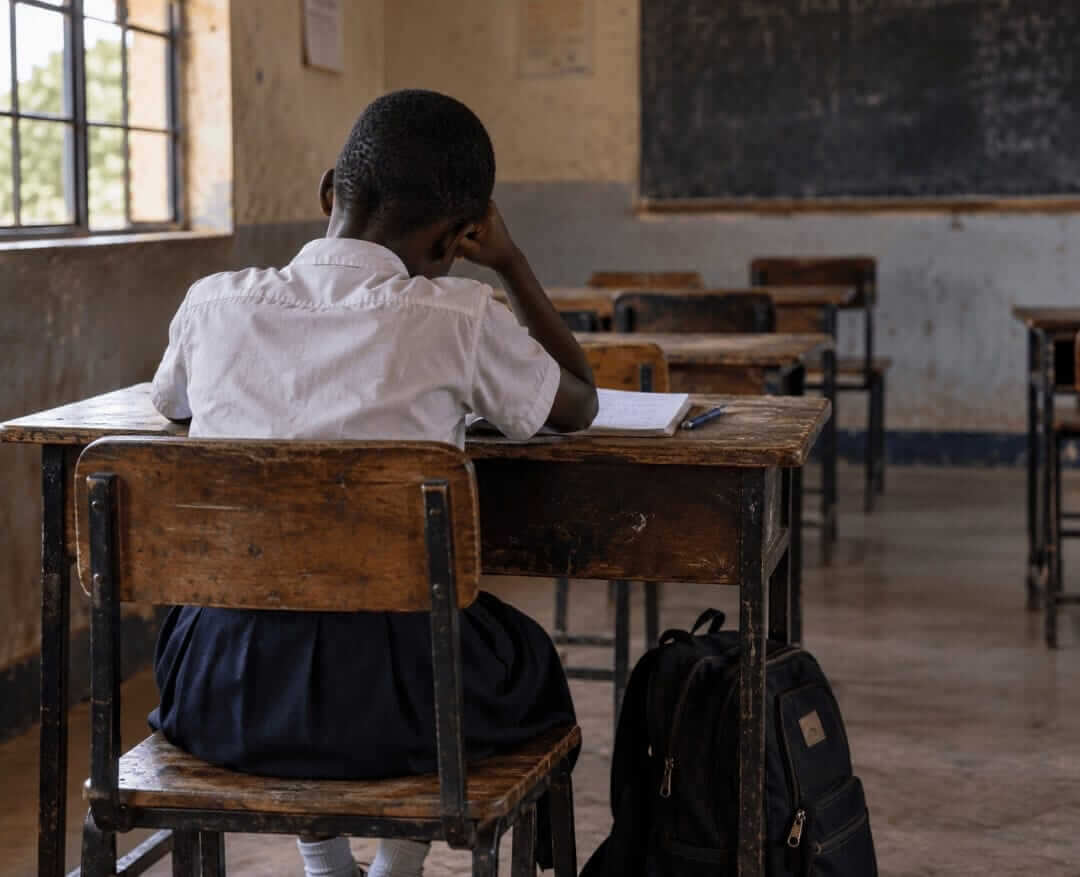
In The Truth I Adore!, Ama Poetry reveals the hidden pain behind a child mocked at school, exploring domestic violence, alcohol abuse, family trauma and the danger of judging people without knowing their stories.

In The Bomb, Omadang Yowasi turns a conversation with his deceased father into a striking meditation on memory, ancestry and inheritance. Through the haunting image of bones as bombs, the poem asks what remains of a parent within the child after death.
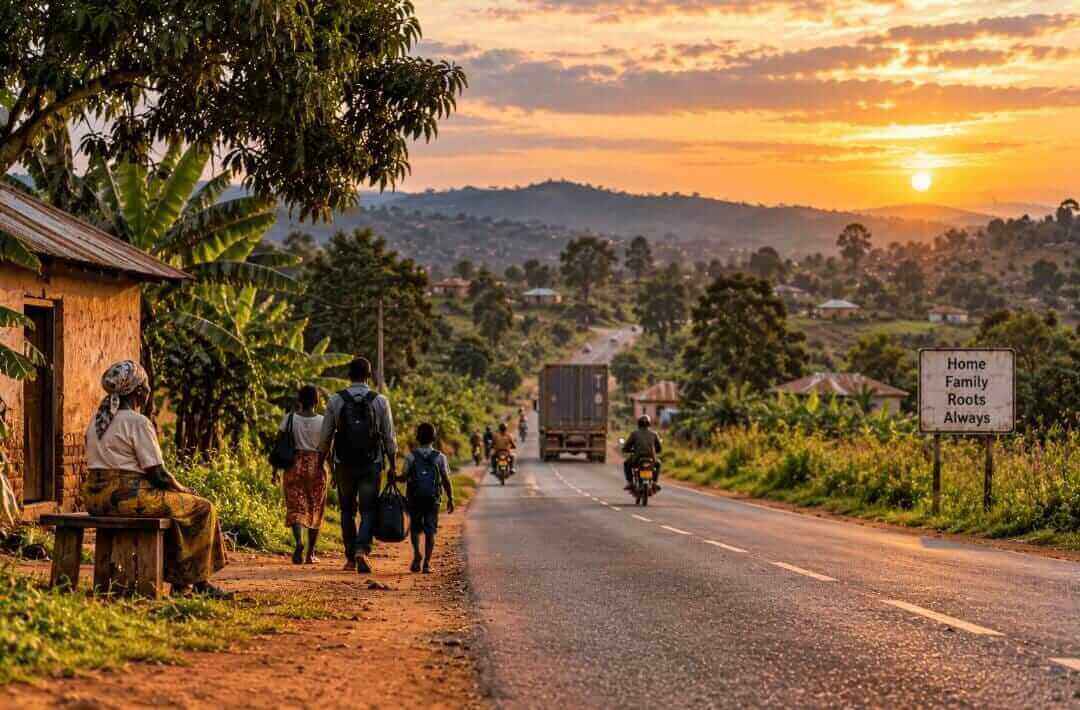
In Upon This Country Road, Dickson Mukisa turns a changing road to his grandmother’s home into a reflection on family, Christmas homecomings, ageing, memory and mortality.
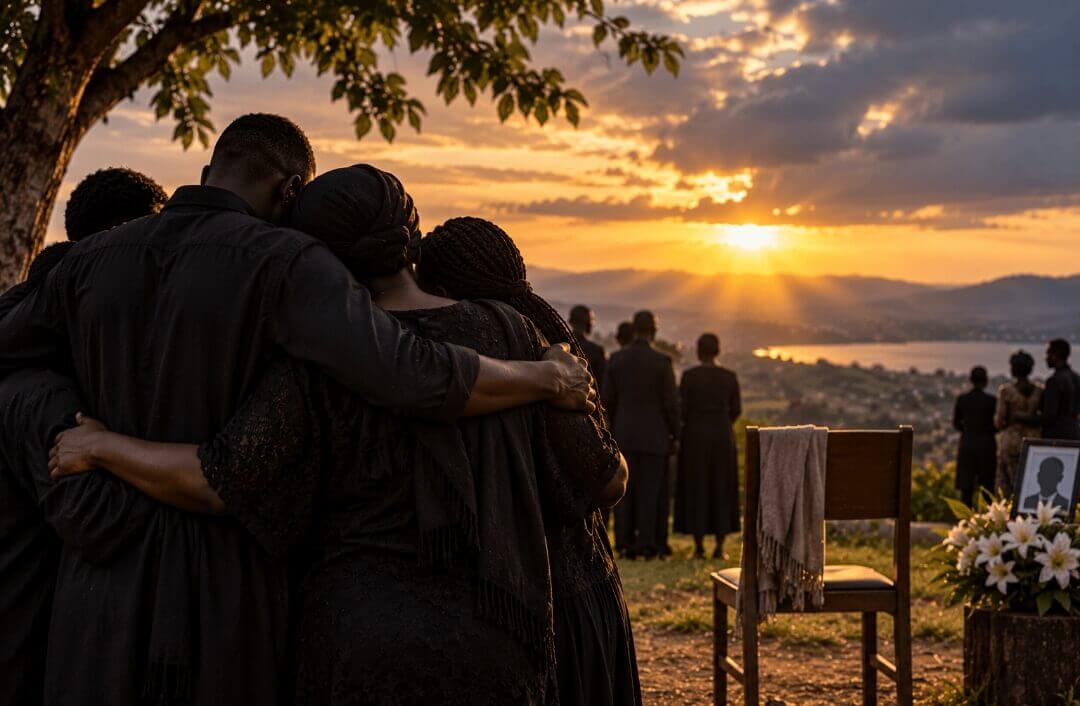
In The Great Uniter, Jeremiah Okallany reflects on death, grief and memory, exploring the paradox of how losing someone can bring families and communities closer together.